
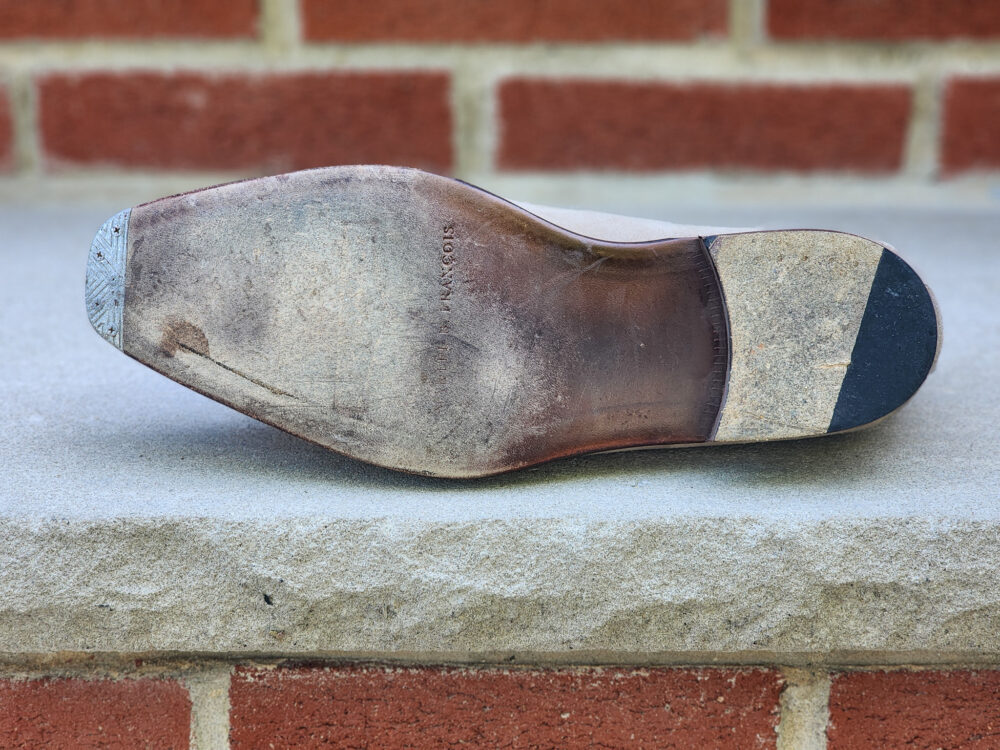
When people ask “how long should shoes last?” the reality is: it depends on more factors than you can imagine. A shoe’s lifespan is determined by construction, materials, price point, and—most importantly—how you treat them. And if we really wanted to get deep into it, further external factors such as weight, local climate and storage practices also play into it.
I’ve seen $2,000 shoes destroyed in six months, and $150 shoes still going strong after ten years. So let’s set some realistic expectations, focusing on dress-style footwear (not sneakers).
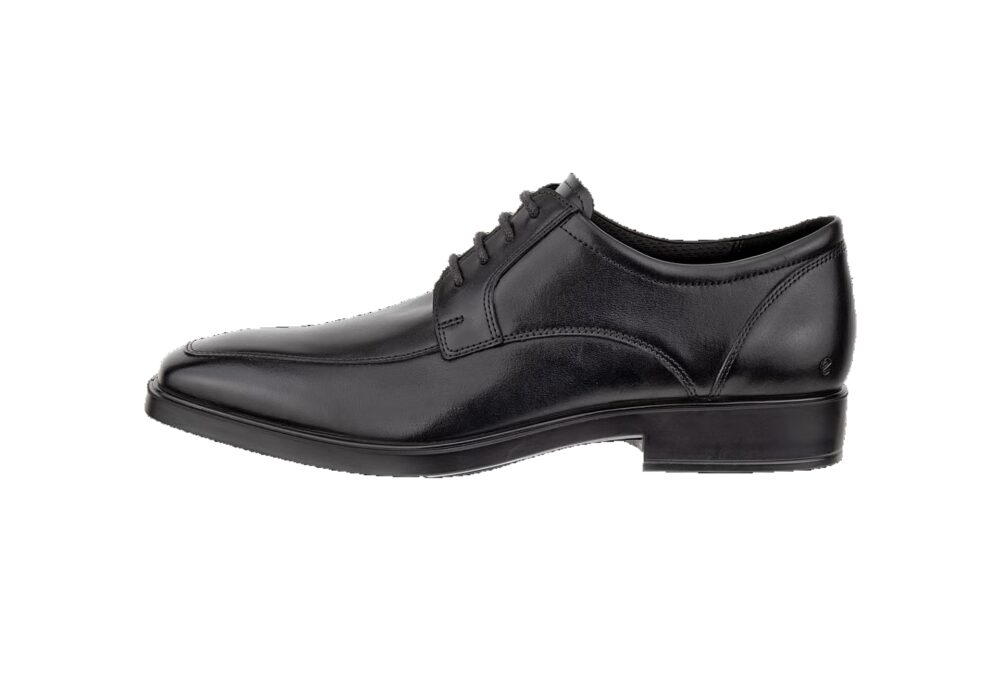
Shoes priced at $100 – $200 – Short-Term Wear
- Usually made of synthetic leather and fully glued/cemented. These are “disposable,” built for looks, not longevity.
- Designed for appearance, not durability. They’ll cover your feet for a season or two, but that’s about it.
- Lifespan: 6–12 months with regular wear. And if you get a year, you’ve done well.
- Will look worn out quickly, often unpolishable. No amount of polish will make synthetic materials look like real leather.
👉 Verdict: These are fine if you need something quick for an interview or a one-off event. Just don’t expect them to stick around. Although, I think that it is the height of stupidity to pay $100 for a one-time use type of shoe, when you can spend $200 and get a solid one that might last you years to come. Look to brands like Blkbrd Shoemaker, who have still managed to keep welted footwear right under the $200 mark.
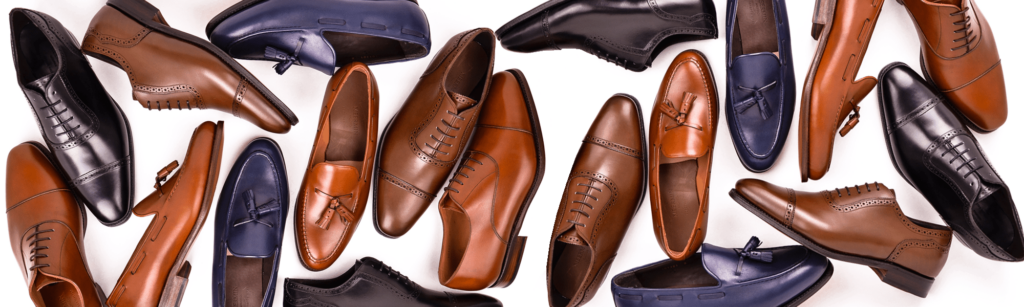
Priced at $200–$300 – Low to Entry Level Range
- Can be hit-or-miss. This is the “buyer beware” category — research matters more than price here.
- Designer shoes rarely hold up. A $300 pair of Hugo Boss cemented shoes, found at Nordstrom Rack? Expect 1–2 years, tops.
- Surprise brands exist. Something like Ecco may not be elegant, but can last 5–10 years if treated right and rotated often.
- Welted entry-level shoes like Meermin are a different story. With proper care — shoe trees, polish, and rotation — you could see up to a decade or more.
👉 Verdict: A smart choice if you pick the right brand. This is where many people get their first taste of “good” shoes. Meermin falls under this category and offer great value for money footwear. This post lists out some of the best value for money in the industry.
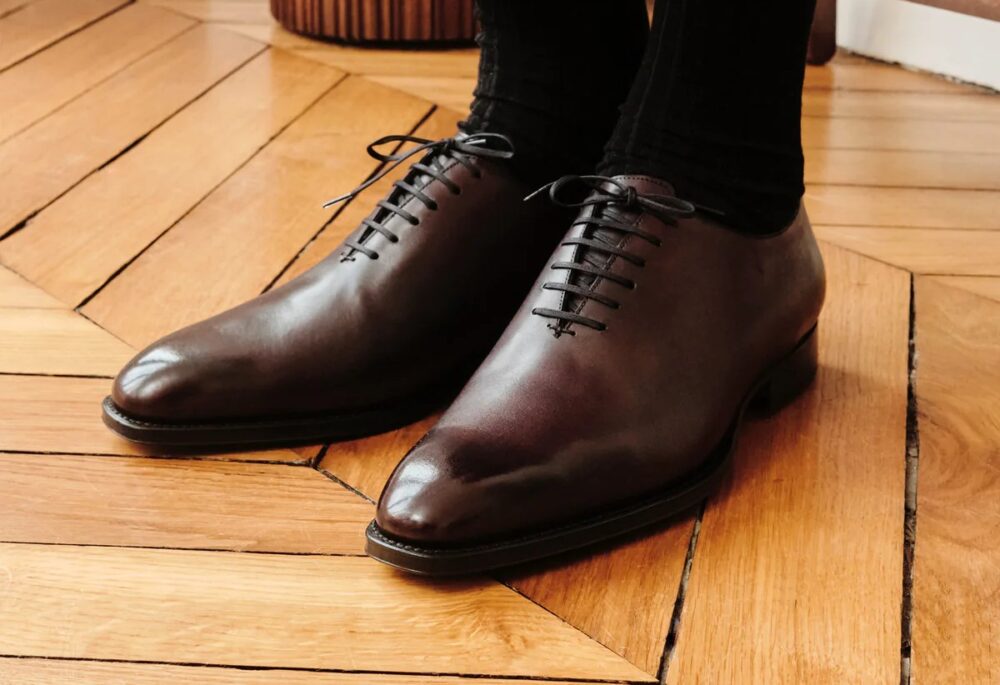
Priced at $300–$499 – Entry Level to Mid-Tier Quality
- This is where welted construction becomes common. You’ll find many Goodyear welted and Blake-stitched shoes here, which is the baseline for long-lasting footwear.
- Not all welted shoes are created equal. Cheap European production with poor leather won’t last much longer than ‘decent quality’ cemented ones. When cheap materials are used, they break down quicker, i.e. leather cracking, soles creating holes, etc.
- The sweet spot can exist here. Buy carefully, rotate your shoes, and you could get 15–20 years of wear. Research your brands and make sure you are buying ones that offer great quality along with their price. Use good quality shoe trees and proper shoe care and you don’t have to exit this tier if you don’t want to
- Beware designer branding. A fashion-label shoe at this price is often Blake-stitched with mediocre leather, giving you less longevity for more money.
👉 Verdict: With the right purchase and proper care, this range offers the best balance of quality and value. Solid footwear at this price can last you as long as the Premium versions because at a certain tier, a welted shoe is a welted shoe in terms of construction. But you will rarely find all of the finer details at these prices.
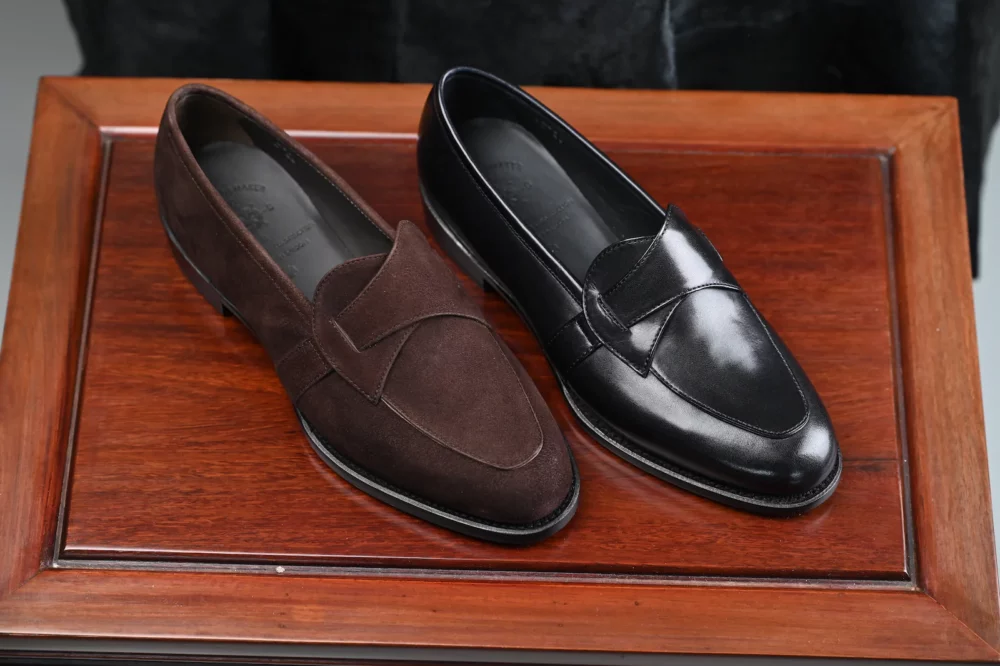
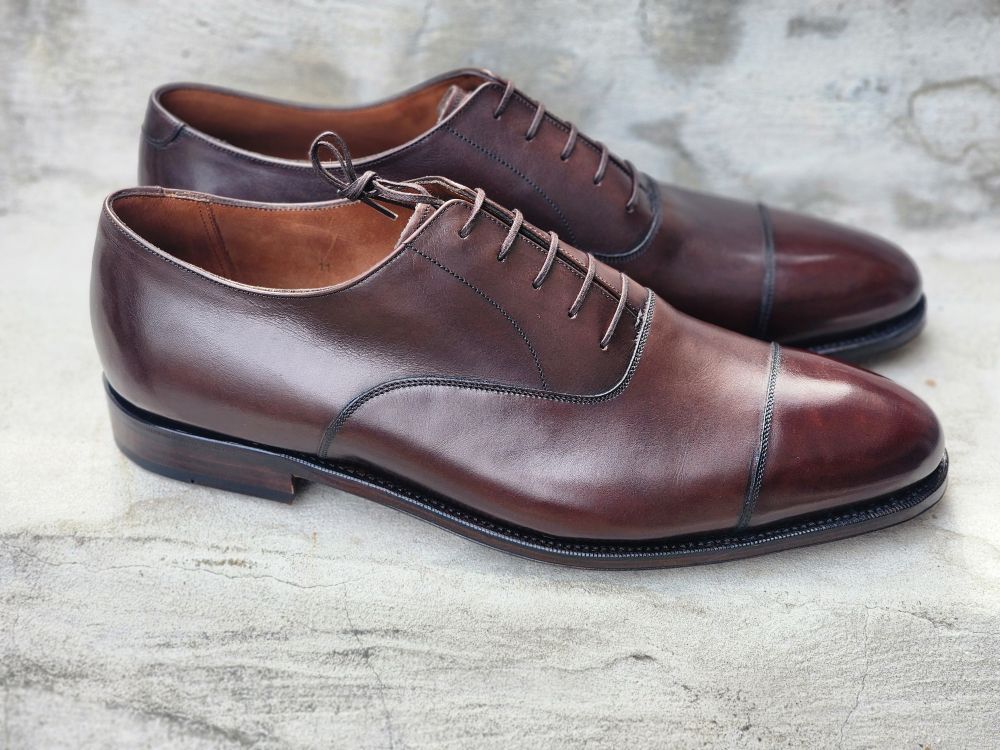
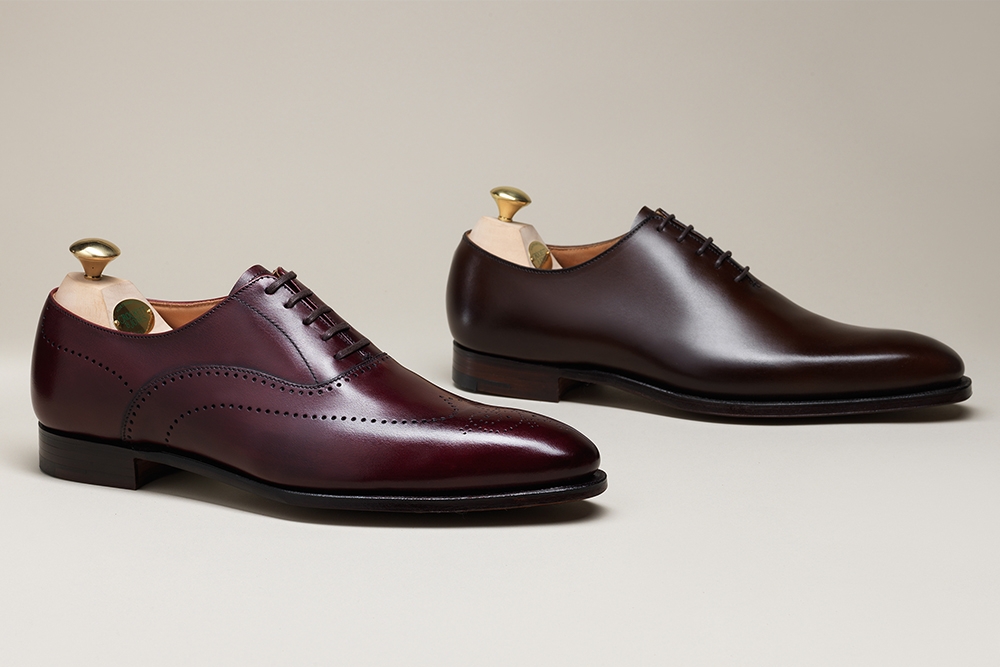
Shoes priced at $500+ – Premium & Investment Grade
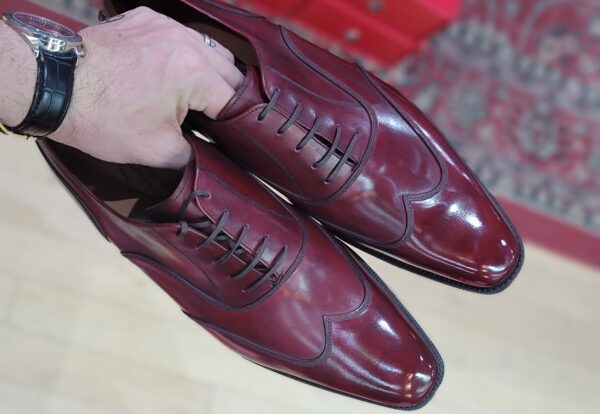
- This is where expectations soar. At this level, most shoes are welted, resoleable, and made with solid leathers.
- But don’t treat them like tanks. I’ve seen people buy $2,000 oxfords, stomp through snow and rain, and ruin them within 6 months. Expensive ≠ indestructible.
- Thick work leathers often outlast luxury calf. A rugged boot from Crockett & Jones will usually age more gracefully than a delicate French calfskin oxford.
- With proper care, these are lifetime shoes. They can be resoled, restored, and even passed on to the next generation.
👉 Verdict: Worth the investment if you plan to treat them well. With rotation and care, these are shoes that truly last decades.
Quality footwear can be destroyed in months and inexpensive ones can last years. Your shoes lasting a long time are more often than not an outcome of how many pairs you own and how well you look after them. Shoes are an investment so take care of that investment!
—Justin FitzPatrick, The Shoe Snob
Shop · Marketplace · J.FitzPatrick · Patreon
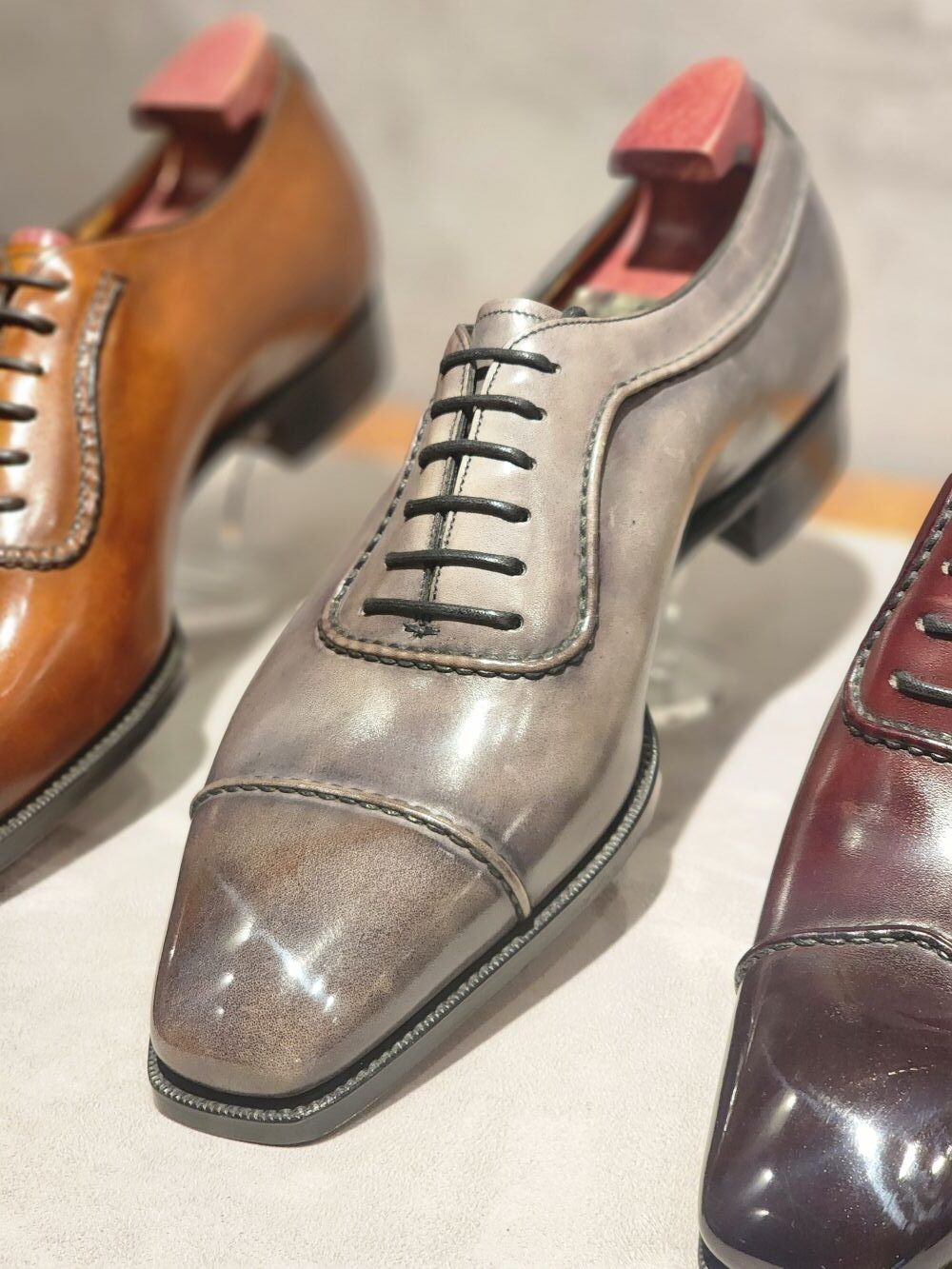




I have Brooks Brothers shoes that I purchased almost 30 years ago. They are so uncomfortable and I have only wore them for special events BUT they are still like new! My guess is these can last 100 years! Even the Brothers Brothers bag that came with the shoes is still looking like new! The moral: Stay with the trusted quality brands. Models will not always work out but most times they will.
thank you for sharing!
If you never wore them, of course they will last forever.
The only shoes I’ve found that I can treat like total garbage and still be functional are Altama all-leather-upper jump boots. I have a nearly 20-year old pair that I still use for outdoor work. They’re cracked and splitting, but the sole is still firmly attached, they don’t smell, and they’re the most comfortable shoes I own to date!
sounds like you got your money’s worth on those!
last good shoes i had lasted 15 years with silly faux leather disintegrating real leather was still good, cost was like 100euros new… purchased again same manufacturers full leather shoe. look and behold lasted few weeks and unsuprisingly they filed soon for bankrupcy… switched shoe maker forgot they had the pu-sole’s yeah 1.5 years and soles are already cracked… lol?
i wear shoes only during winter but on daily basis…
reality is in old days shoe makers made real products with high quality materials, now were being sold low quality stuff and we pay for brand name enormous sums… if i look up shoe makers that i know to manufacture good quality shoes i cant get pair for less than 700+euros custom made… which back in day of small cobblers, here would have costed like max 70euros when accounting for inflation.. quality of products have plummeted and the actual quality has gone up in costs so much it makes me doubt my sanity….
Thank you for sharing John and yes a lot has indeed changed from manufacturing 30-40 years ago to what it is now. The world blinded by profits tend to make materials lower and lower quality and charging higher and higher prices for them