
Brand History and Shoe Pricing: What You Should Know
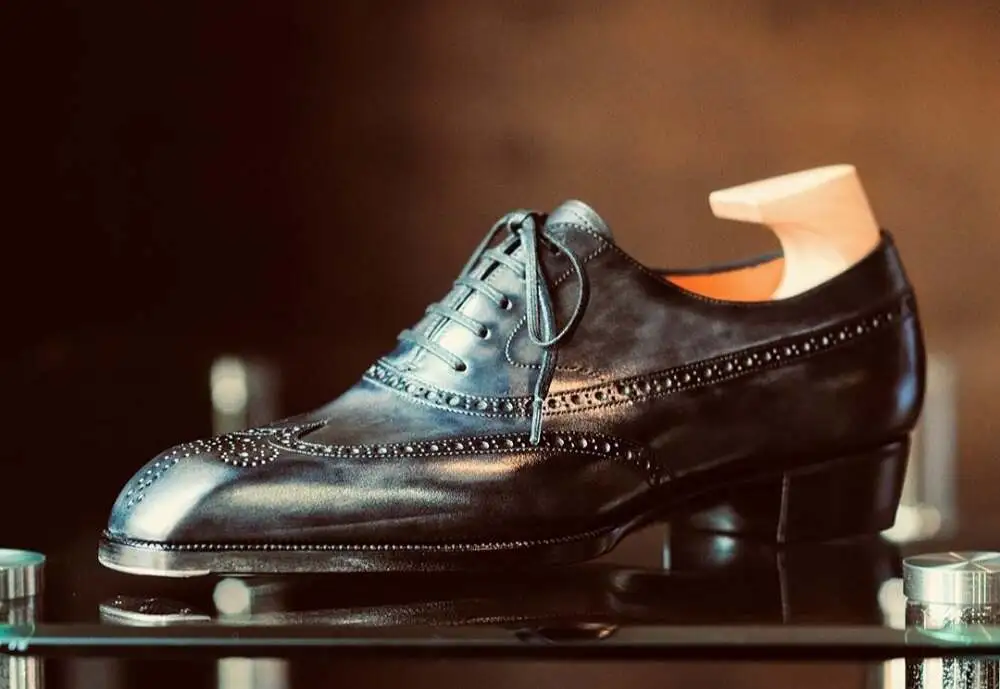
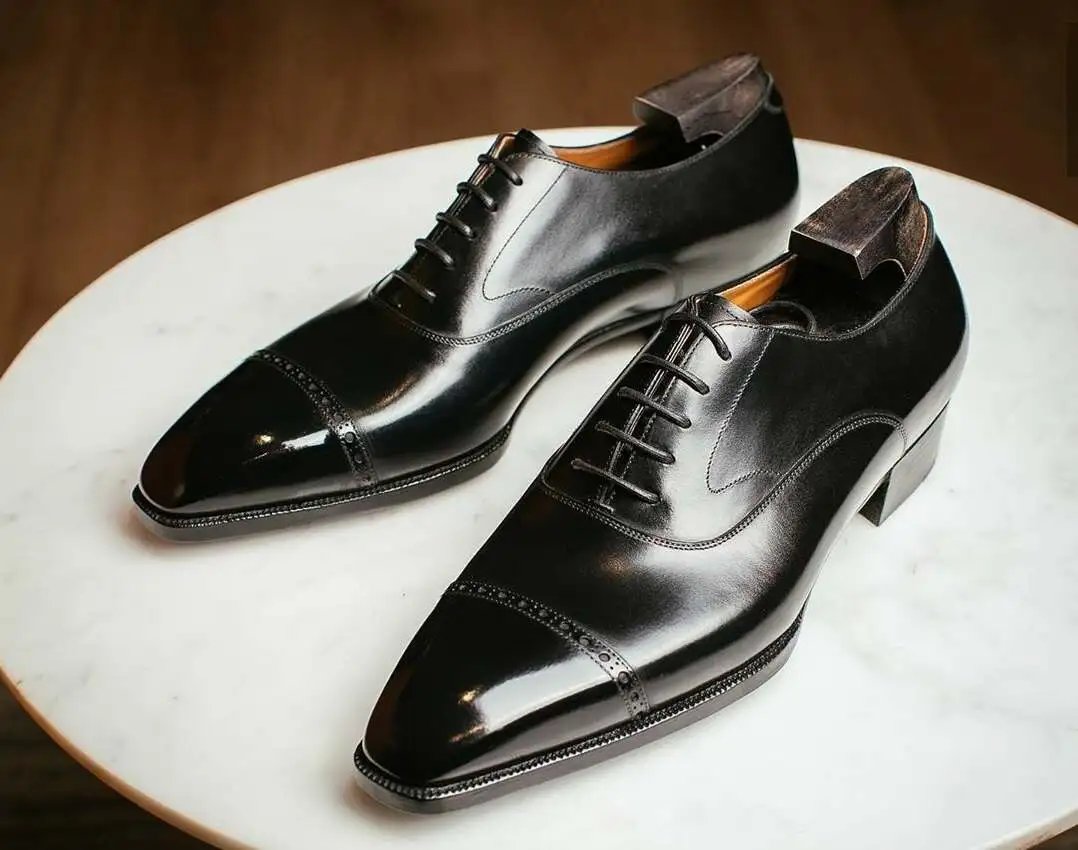
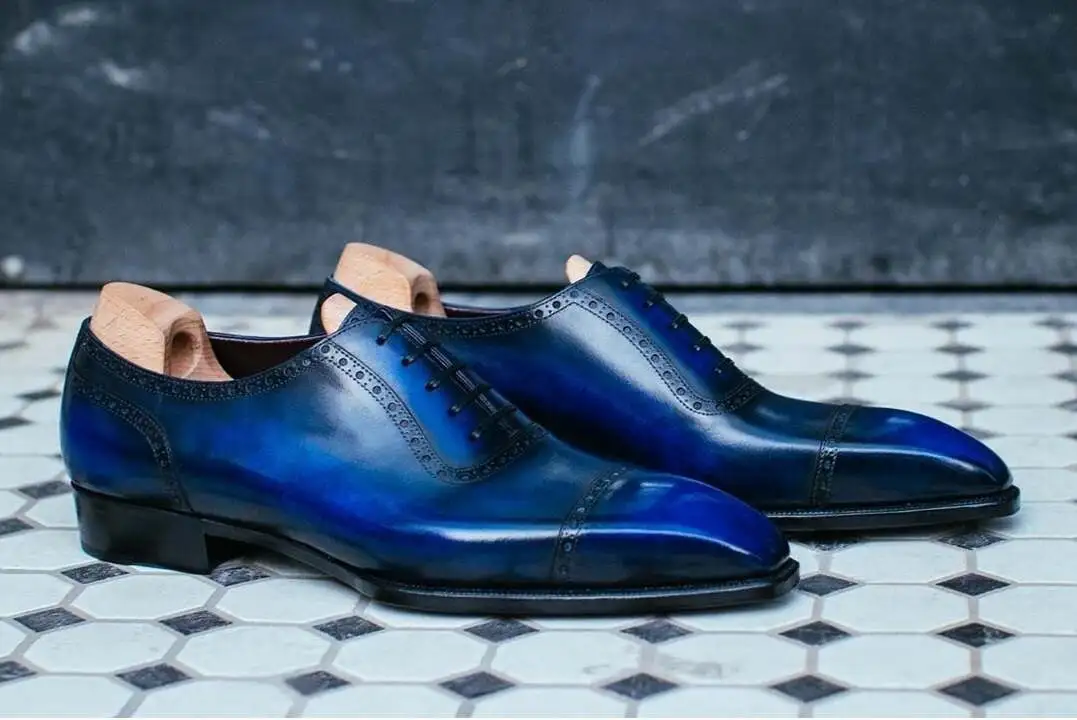
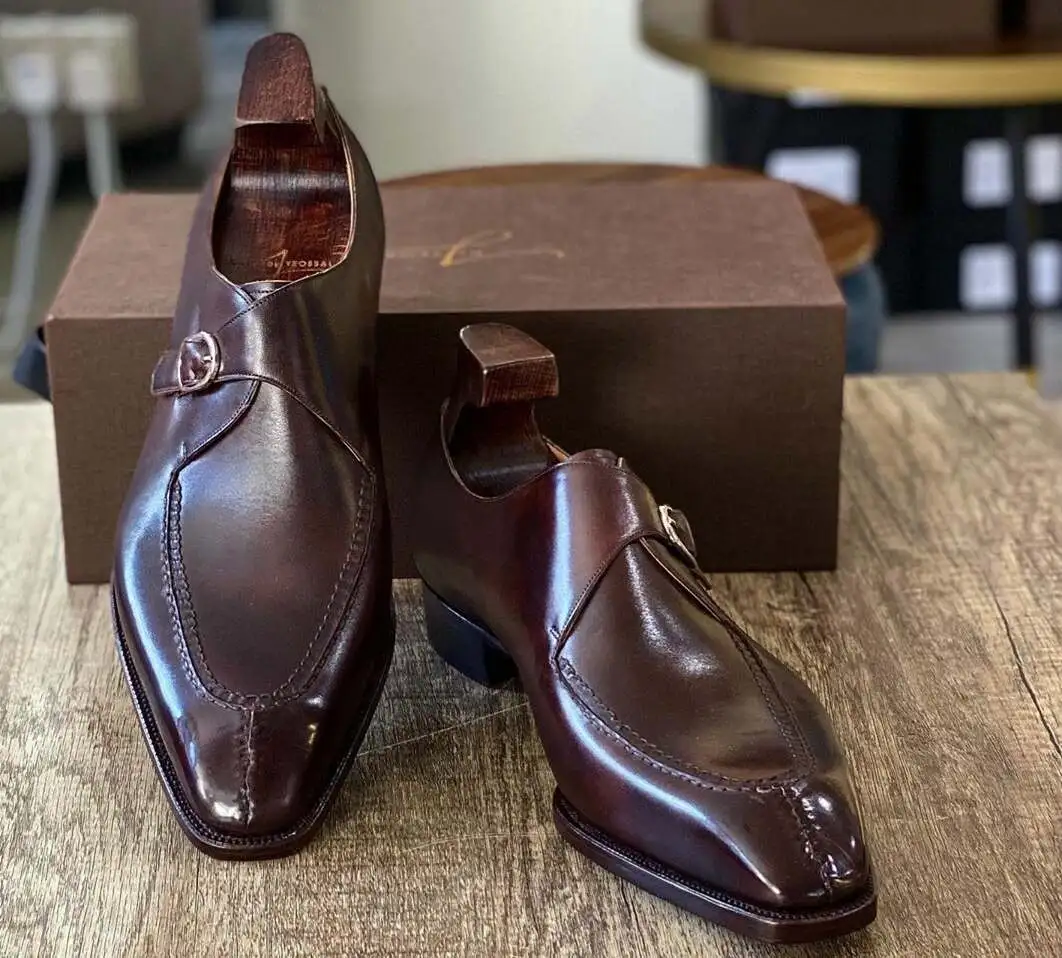
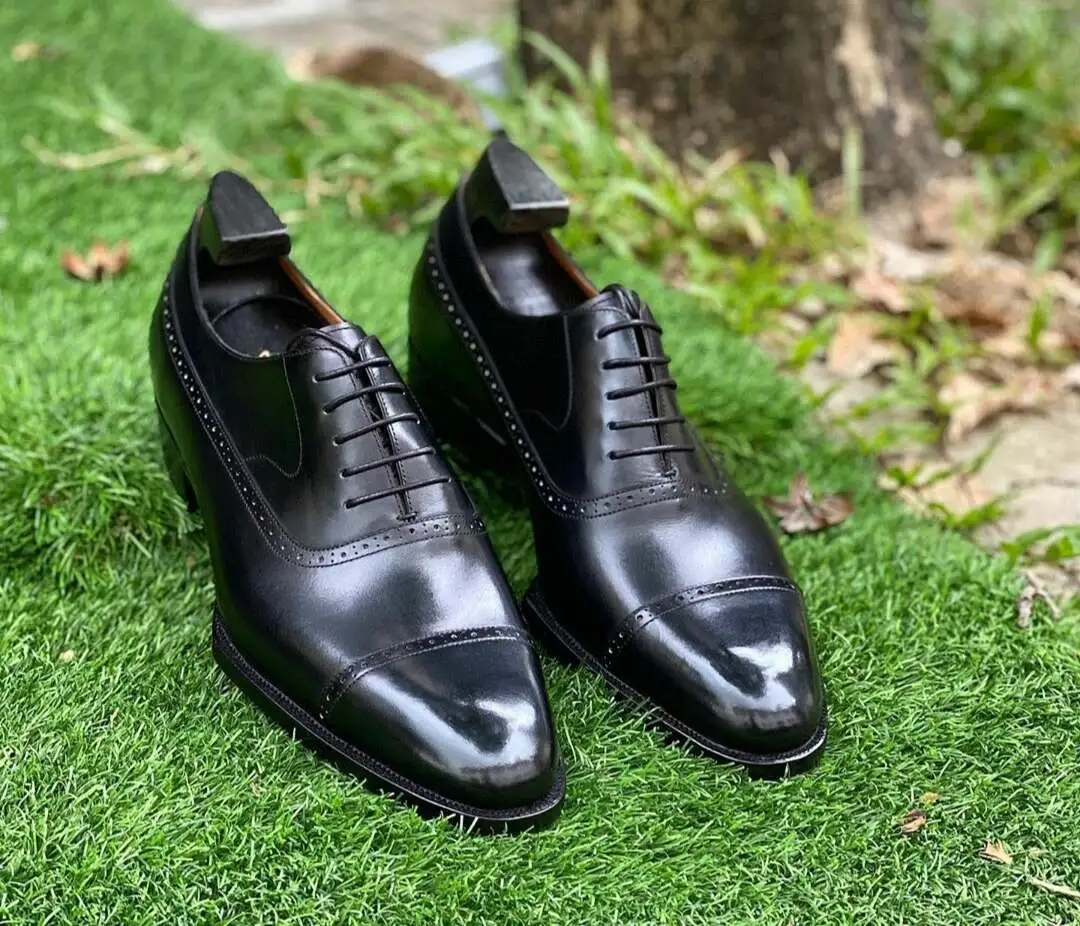
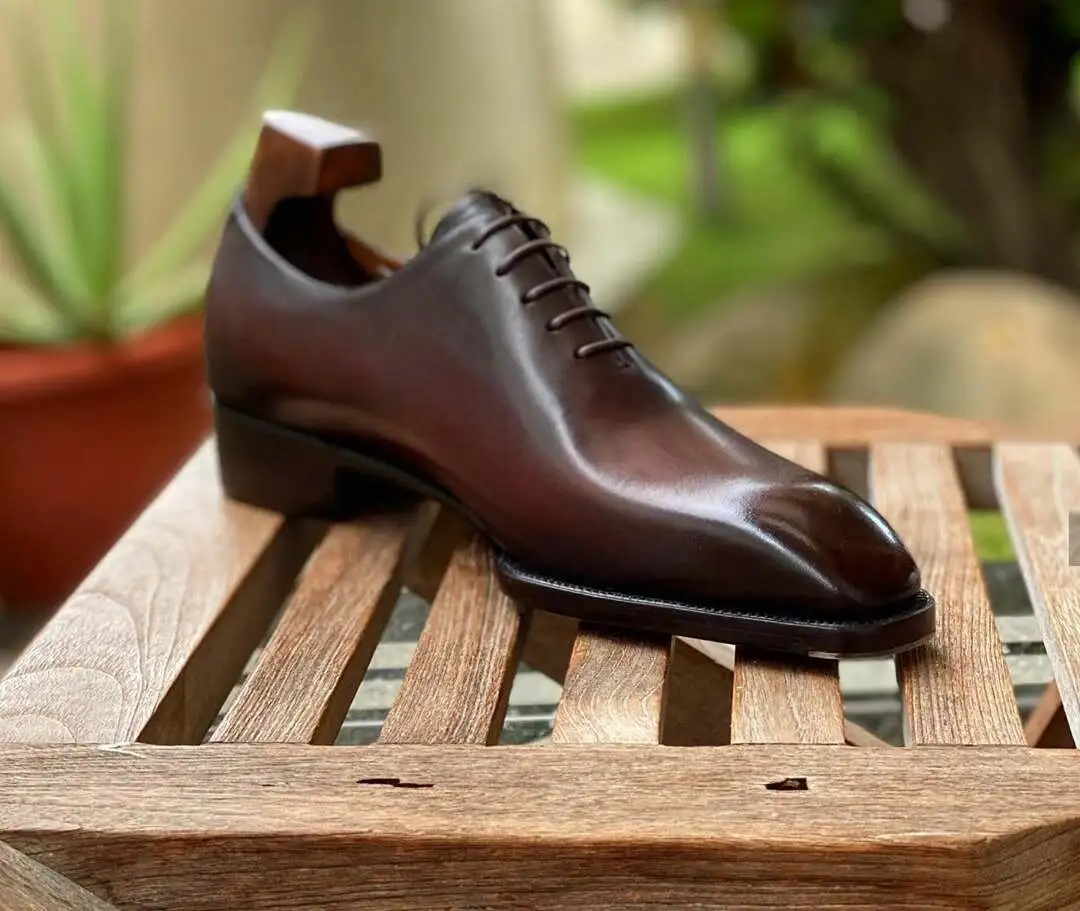
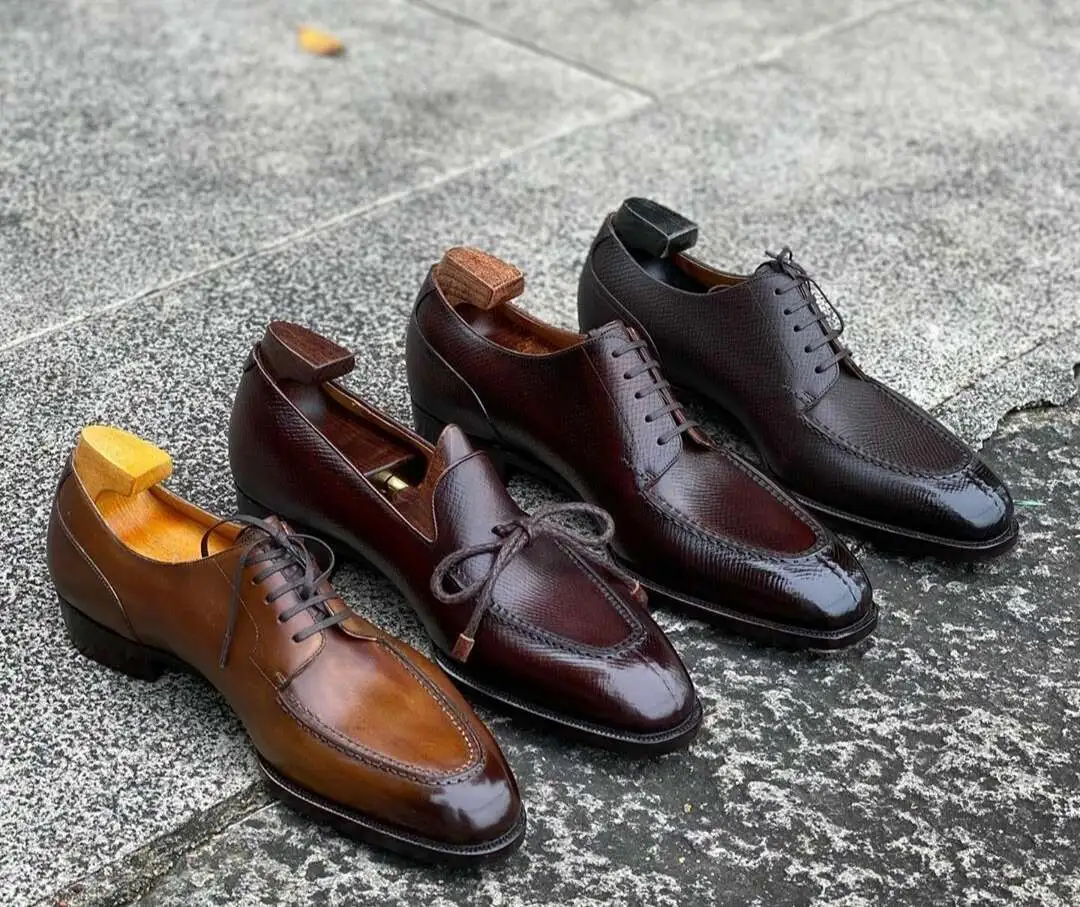
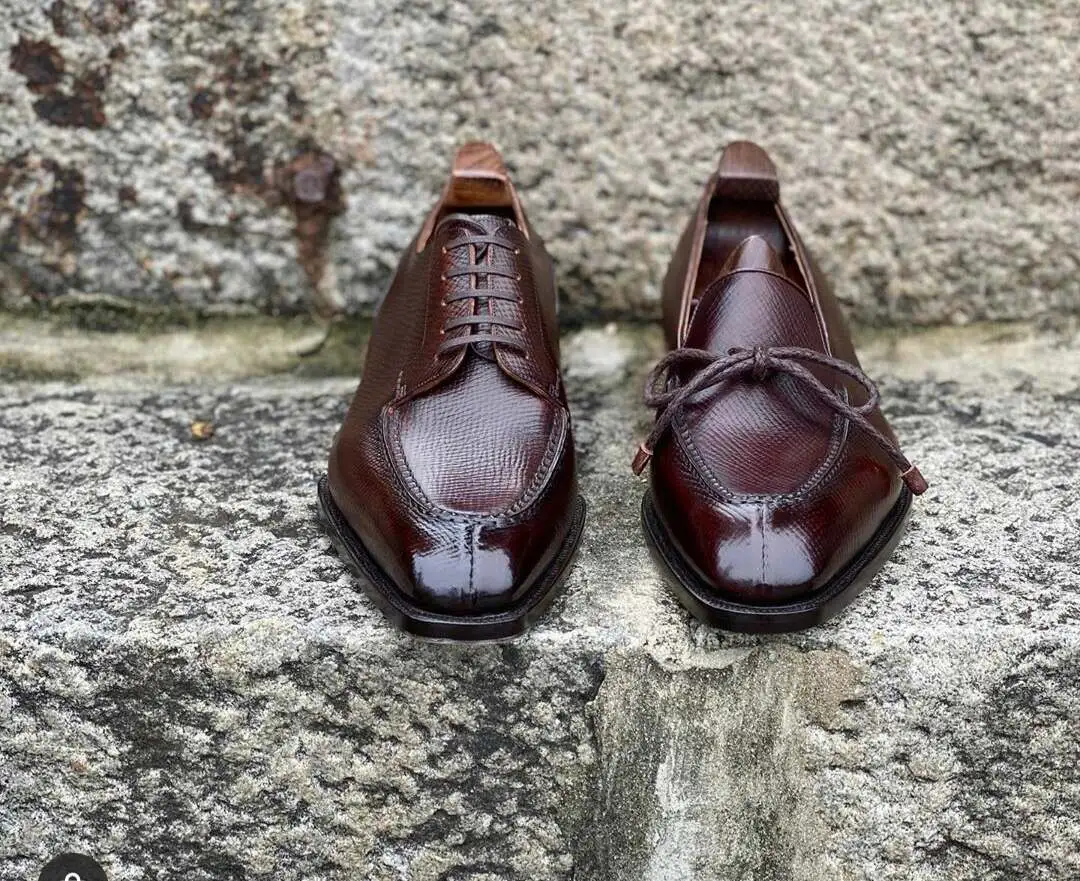
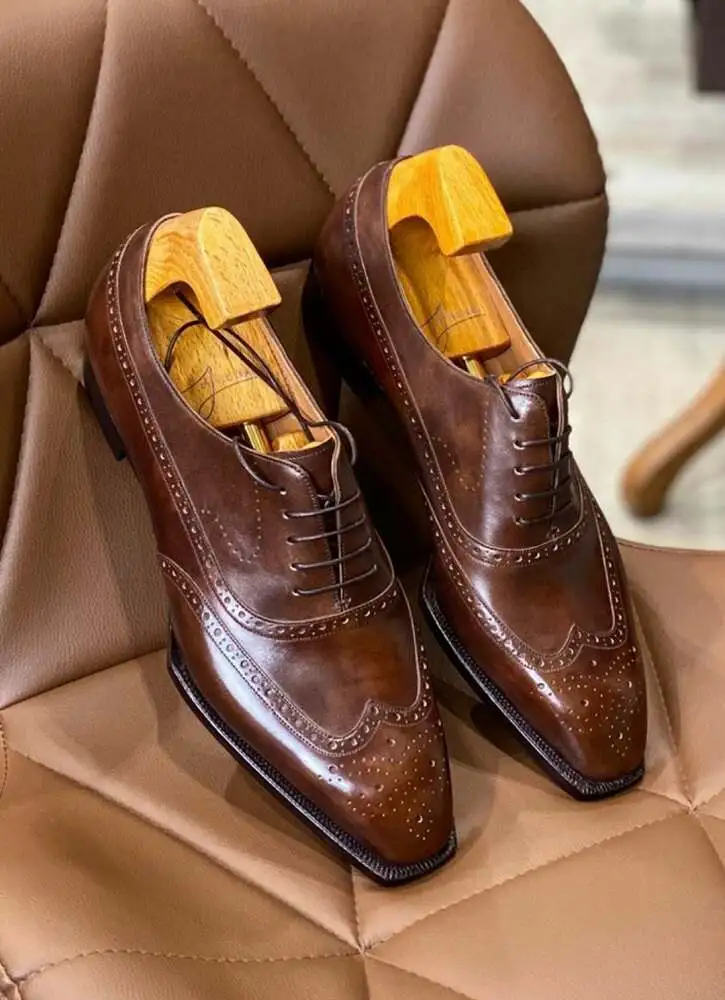
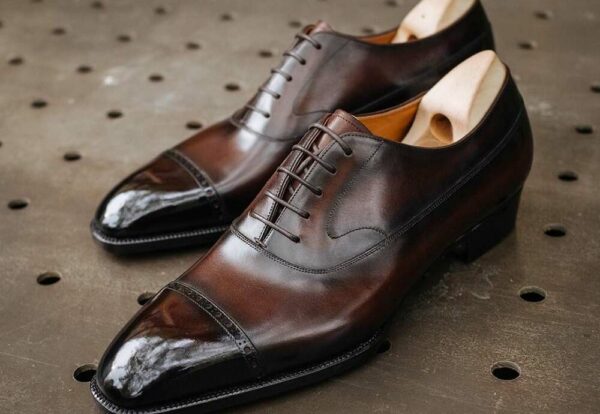
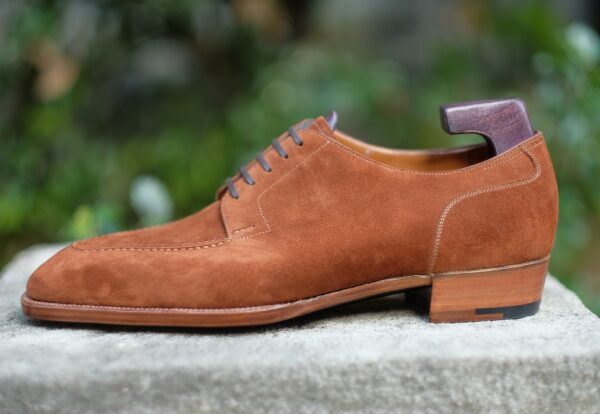
In recent years, I’ve been highlighting newer shoemakers from China — such as Yim Shoemaker, Yearn Shoemaker, Acme Shoemaker, and Yeossal’s in-house line — as their craftsmanship is simply outstanding. But as their recognition grows, so does a troubling theme in the comments I receive. Some suggest these brands shouldn’t charge premium prices because they’re “too new” compared to heritage names like Saint Crispin’s. The debate around brand history and shoe pricing often confuses buyers about what truly determines value.
This mindset, though common, reflects a misguided brand-name pricing strategy — one that ultimately hurts the footwear industry and misleads consumers. Let’s unpack why.
Table of contents
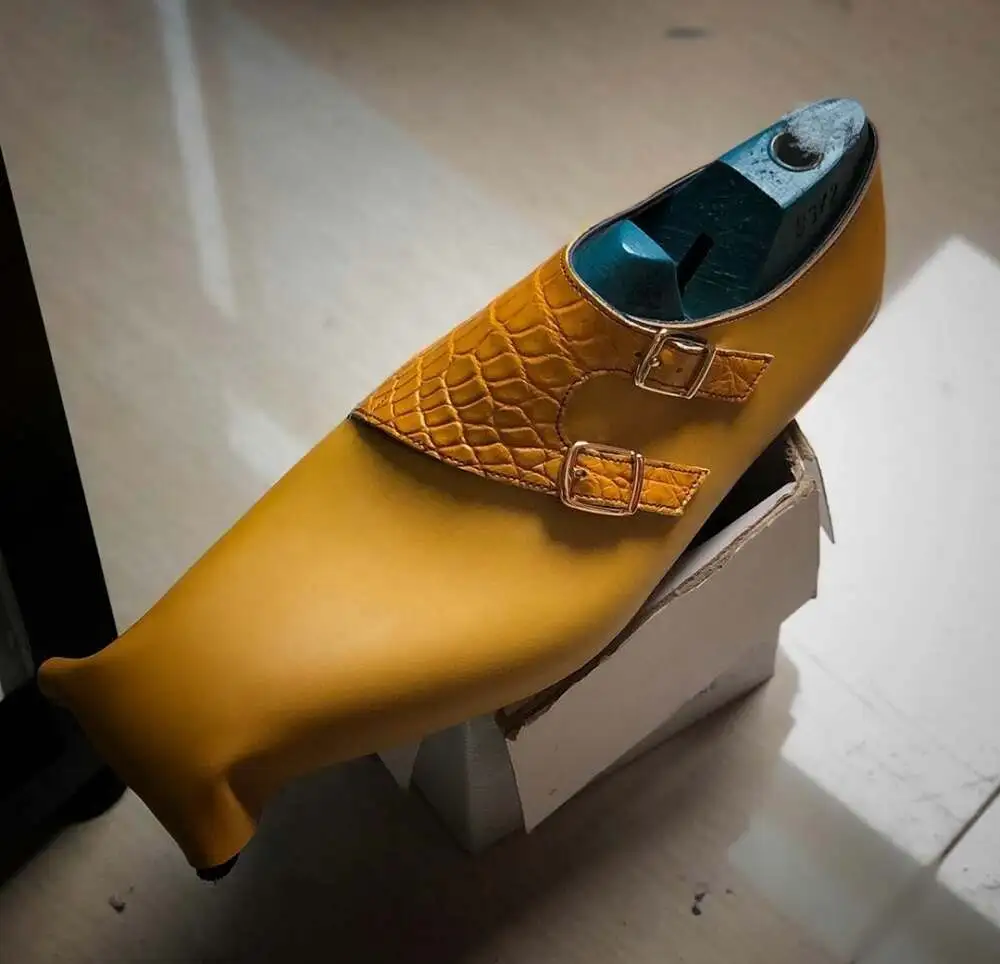
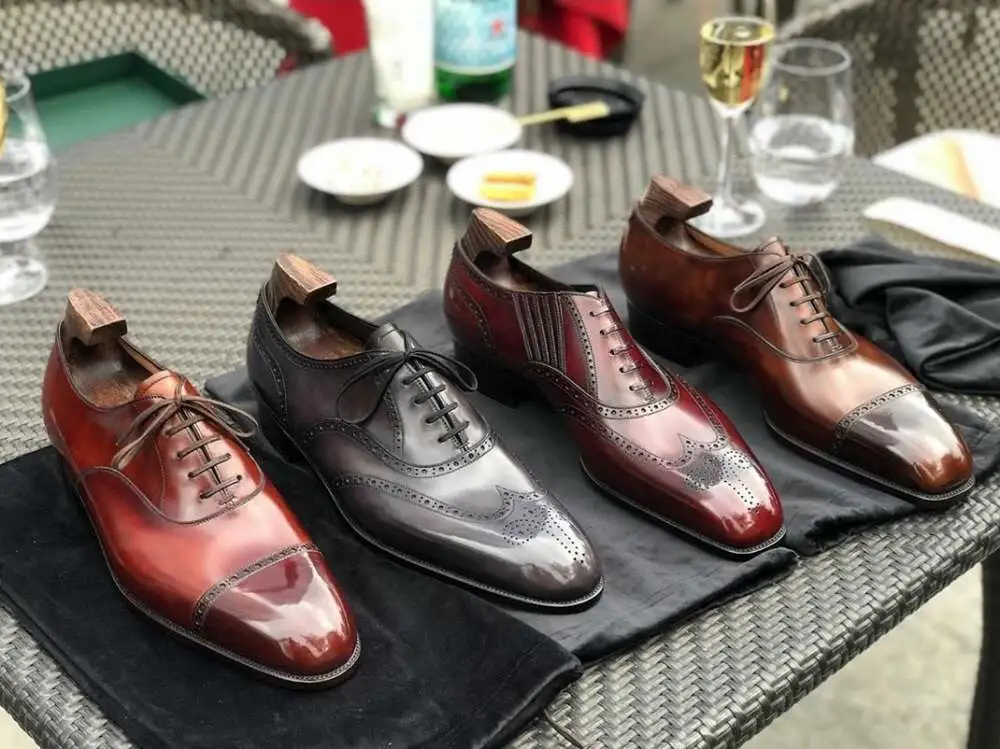
Quality, Not Legacy, Should Drive Pricing
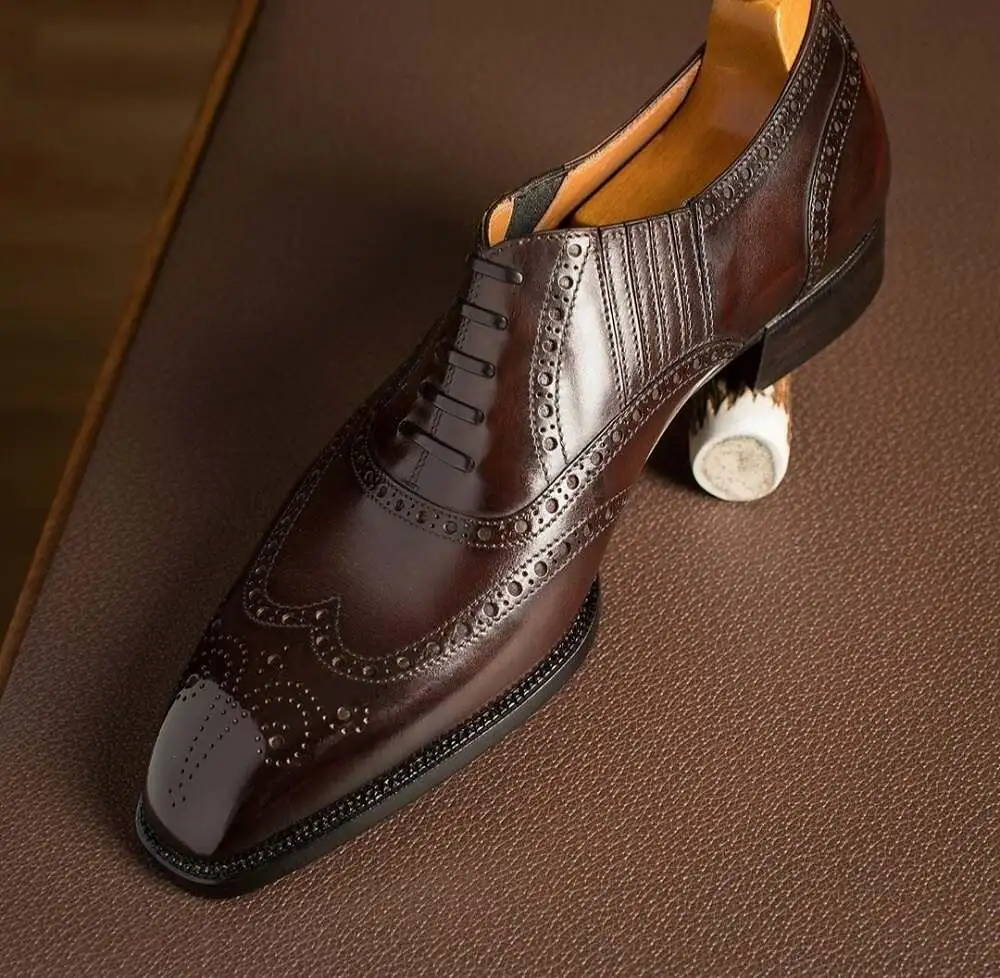
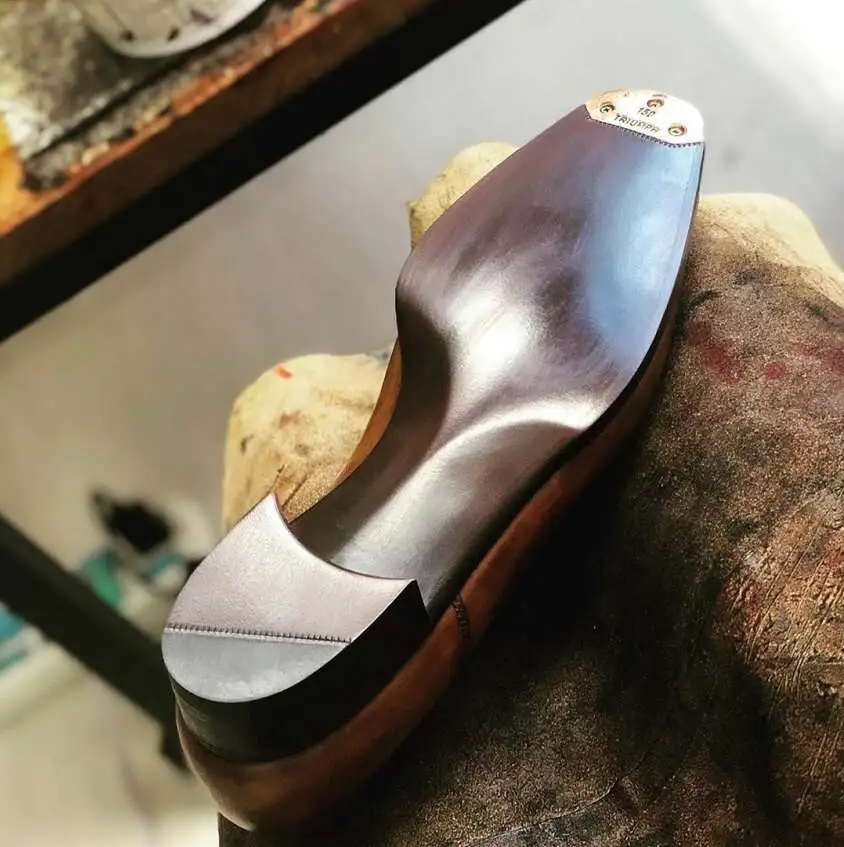
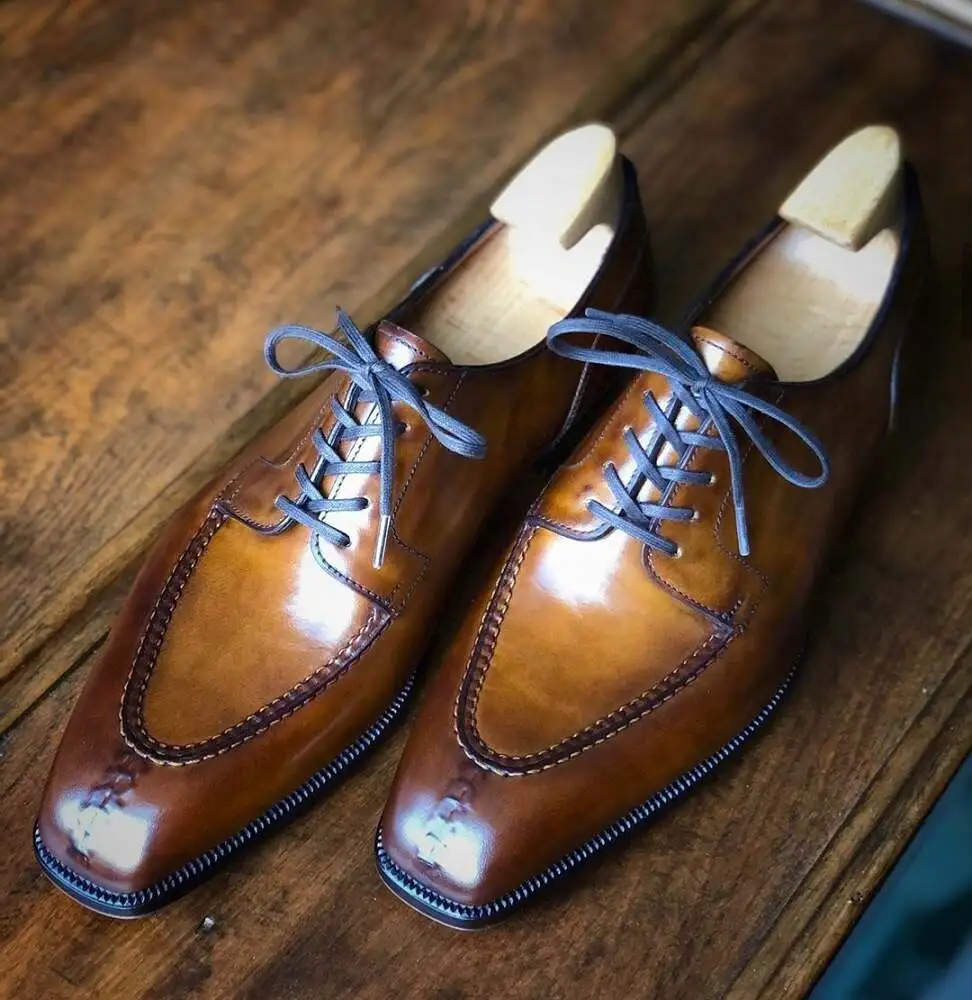
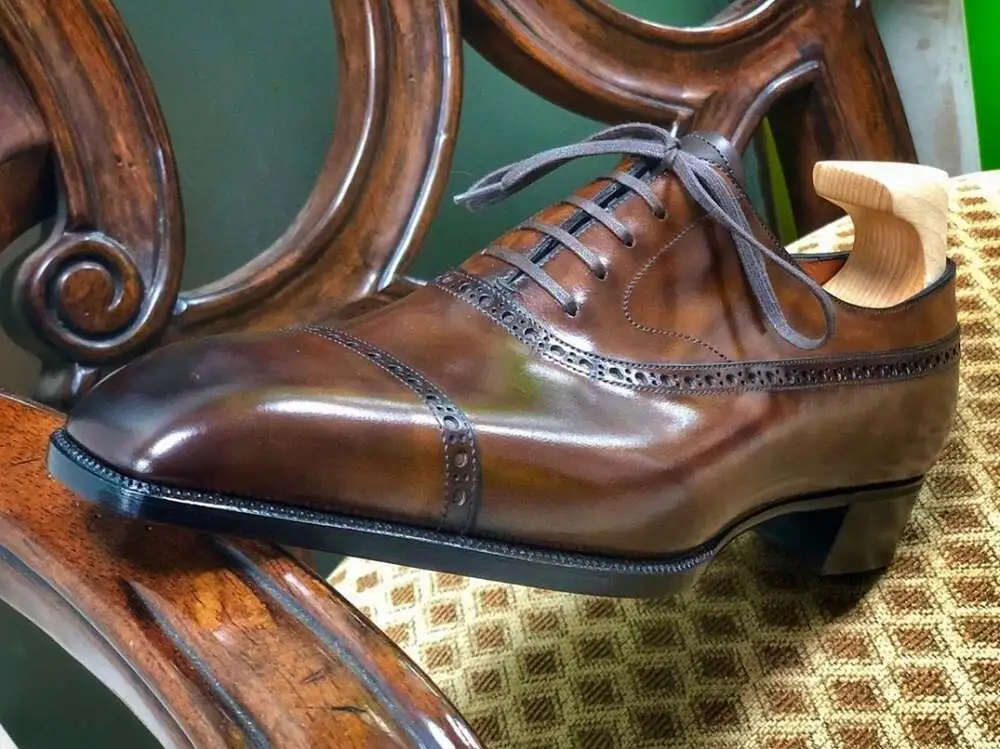
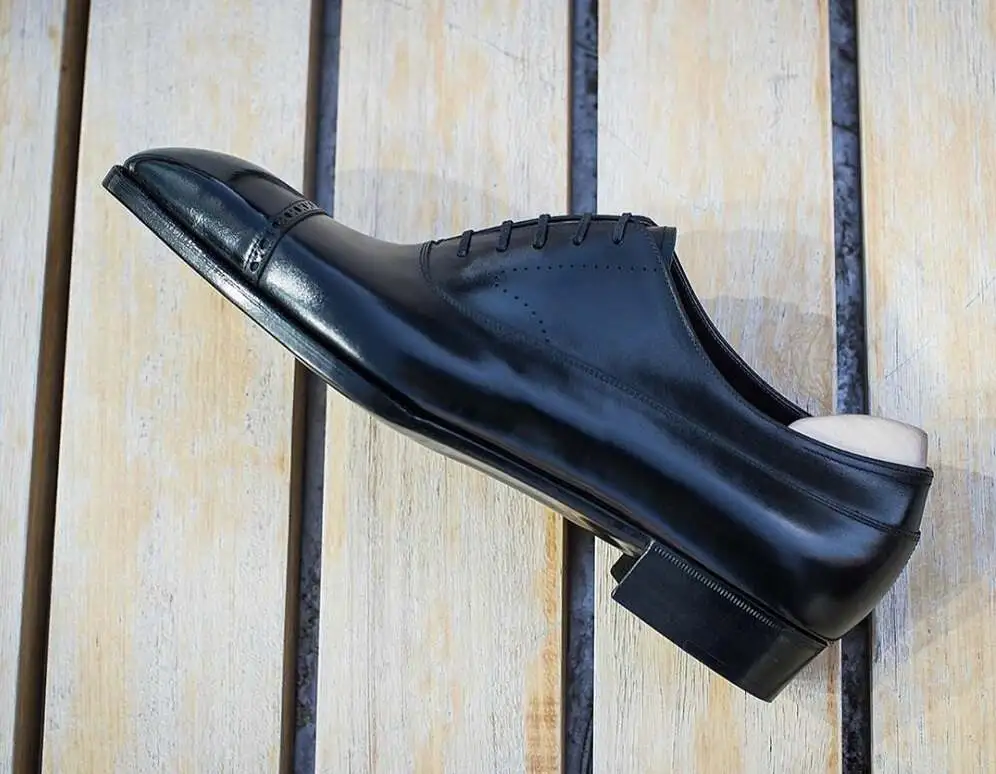
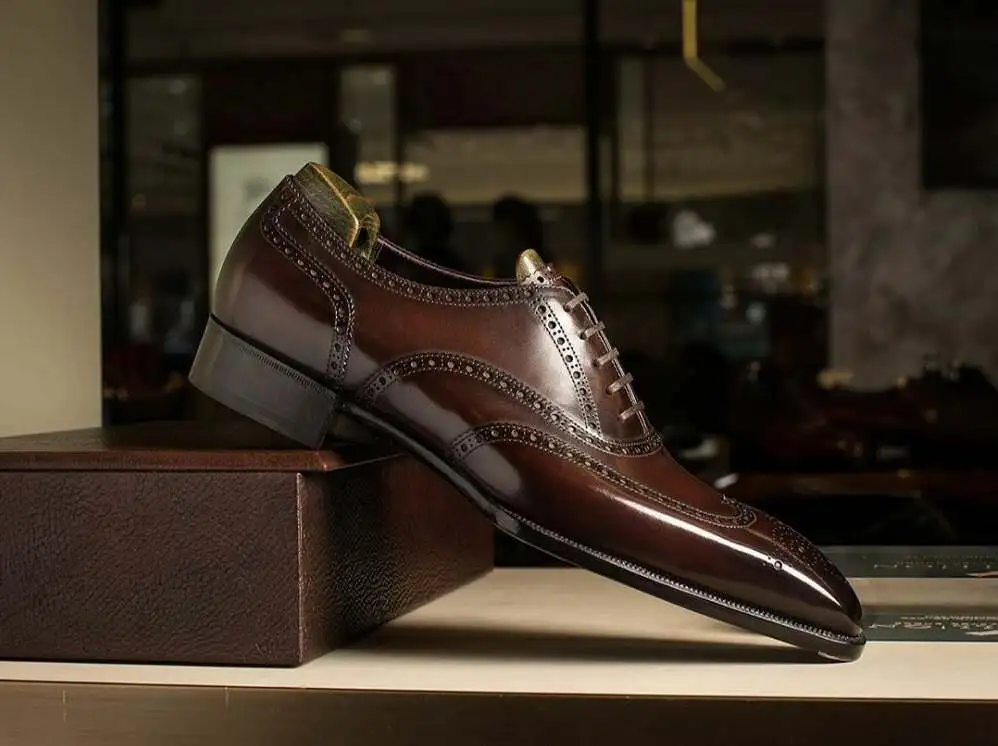
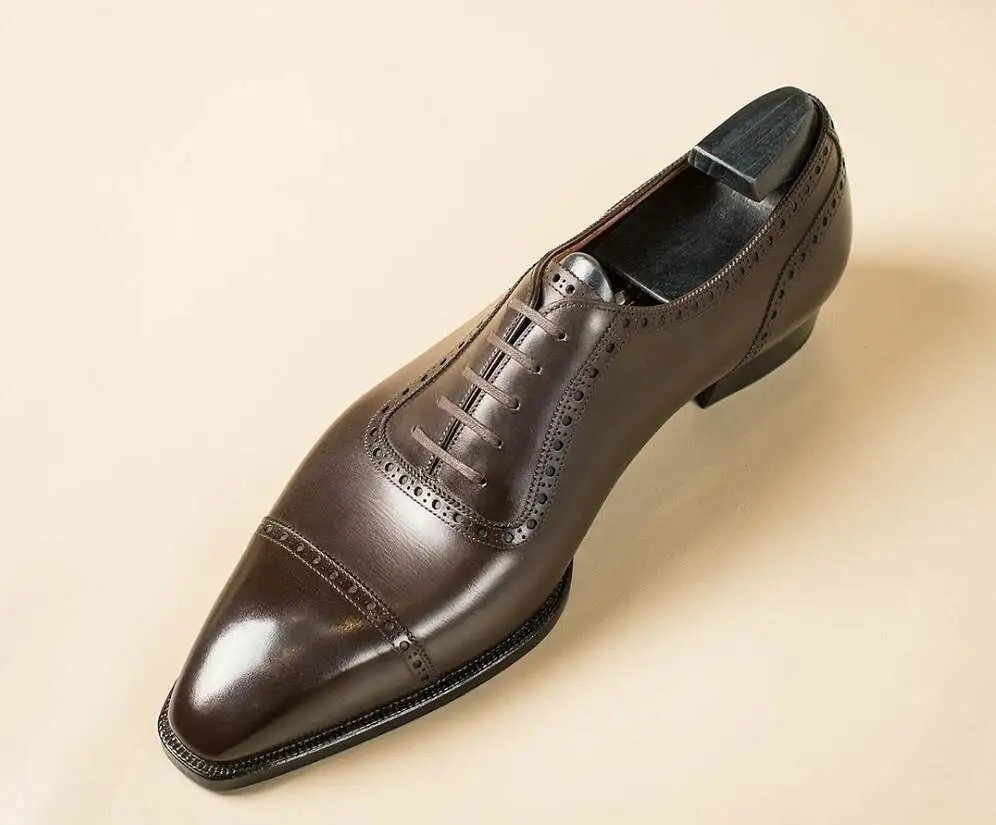
Whether a brand is one year old or a century deep, quality should be the true indicator of price — not history. If a new shoemaker launches with exceptional materials, skilled craftsmanship, and refined design, they deserve to price their work accordingly.
The idea that newer brands must charge less simply due to their short tenure is outdated and harmful. A top-tier product is a top-tier product — regardless of whether it comes from a family-run English factory, a high-end Chinese atelier, or a rising Indian shoe factory.
The “Only European Shoes Are Good” Myth Is Over
Saint Crispin’s itself battled geographic bias when it launched — being based in Romania led to skepticism, largely fueled by ignorance and stereotypes. Despite this, they entered the market with premium pricing and didn’t compromise. Through transparency and relentless quality, they earned respect.
This example proves a key point: exceptional craftsmanship transcends borders. A brand’s location or age should never be a deciding factor in whether it can justify a higher price point. The materials and making are what should dictate that. Period.
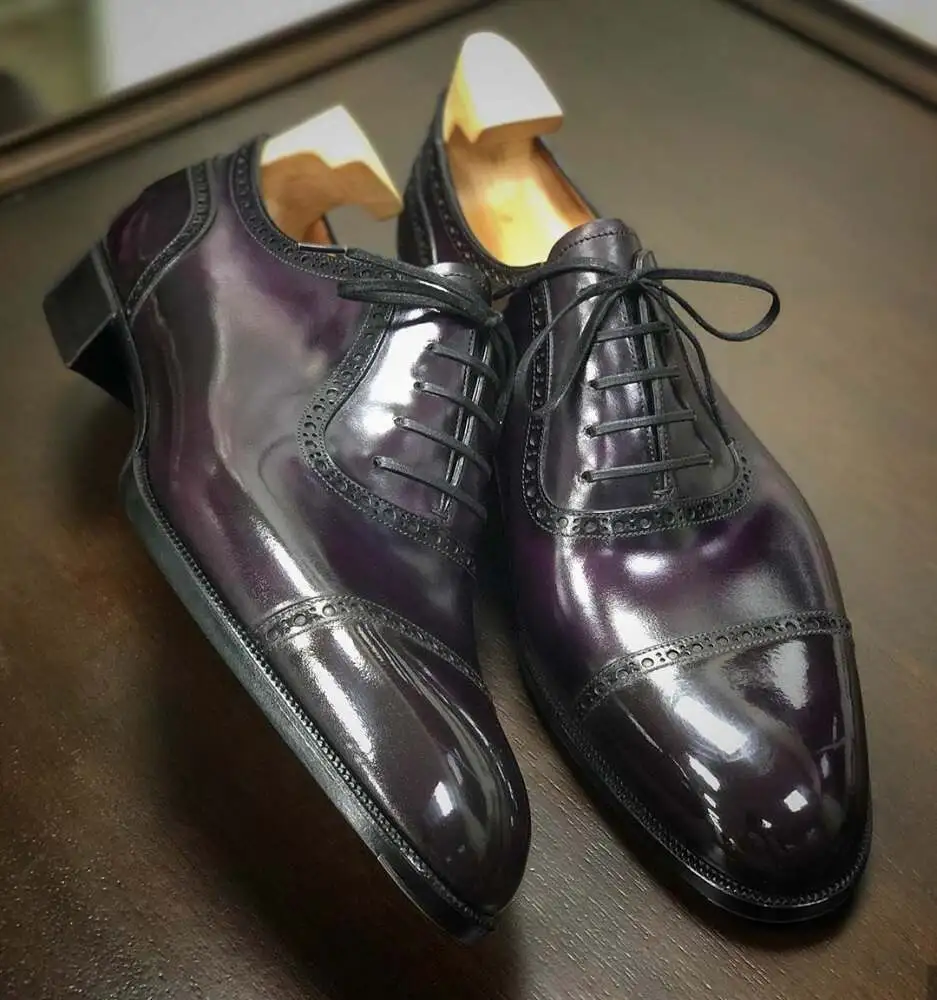
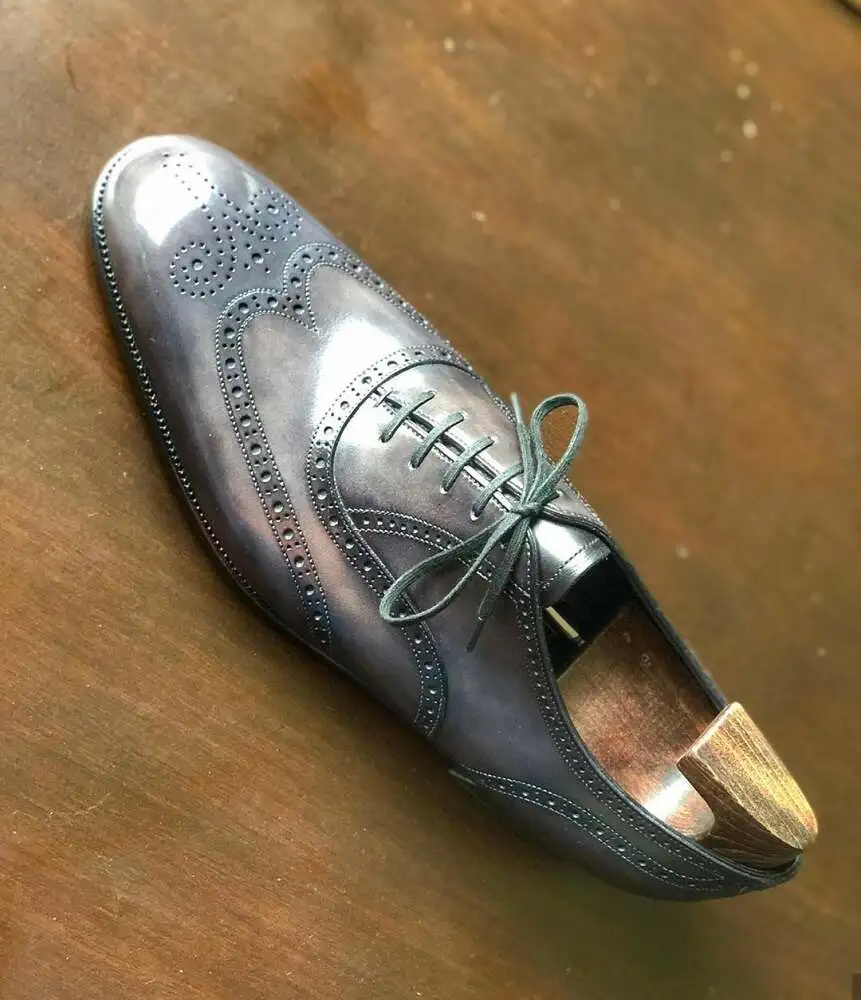
Legacy Brands Often Use History to Justify Inflated Prices
Here’s the harsh truth: once some long-standing brands achieve widespread loyalty, they often begin to exploit that trust. Prices go up. Quality declines. Production moves to cheaper labor markets. And customers? Many don’t notice — or worse, they assume the premium is still justified.
Look at examples like Church’s or Allen Edmonds. Once revered for quality, both have faced criticism for diminishing standards post-acquisition or expansion. Yet they continue to command high prices, riding on legacy and marketing.
This isn’t about respected makers like Carmina, Crockett & Jones, or Saint Crispin’s — who maintain control over their factories and output. It’s about large-scale brands using brand history as a pricing tool, not a quality benchmark.
Why Boutique Brands Often Deserve More Trust
Ironically, it’s often newer, boutique brands that deserve our trust the most. They’re motivated, eager to prove their value, and deeply invested in maintaining quality as they build a reputation from scratch.
Once a brand becomes too popular, the temptation to cut corners usually grows — and that’s when the decline starts. In contrast, smaller or newer companies are often more transparent, responsive, and pride-driven.
The Takeaway: Judge the Product, Not the Pedigree
If you take anything away from this post, let it be this:
- Don’t judge based on brand age or country of origin.
- Don’t compare pricing strictly against older brands with more name recognition.
- Judge based on the quality of the shoe itself — construction, materials, reviews, and the people behind the product.
Often, it’s the brands with the most pride and integrity — not just the longest history — that offer the best value.
Yim Shoemaker: https://www.instagram.com/yim.shoemaker/?hl=en
Acme Shoemaker: https://acmeshoemaker.com/
Yeossal: https://www.yeossal.com/
—Justin FitzPatrick, The Shoe Snob
Shop · Marketplace · J.FitzPatrick · Patreon






Dear Justin,
I´ve been follwing you about 1.5 years and by far one of your best articles yet!
By the way, don´t hesitate to mention brand names either for praise or blame.
You being the shoe snob poeple rely on your experience and inside knowledge of the market.
Great work and all the best for your company/business.
Thank you for your kind words and support, I do appreciate it!
It’s easier to invest in a new brand when the price is lower then the. Traditional players . When a new brand especially from places like China ( no judgement on their quality) charges as much as St crispin , the buyer would naturally ask around amongst shoe aficionados about this brand and if they don’t have much experience with the brand then it very difficult to take the plunge . Also these new brands are mostly inaccessible to view in person .its just the word and specifications provided by the seller .
I get all that you said for sure but the point was the idea that a new maker “cant, read “shouldnt” charge what Saint Crispins does just because they are new. Which is a false ideology. I get that barrier to entry will be more challenging sure but not that a new maker shouldnt charge their price just because they are new or out of China
Your blogs are always useful to understand various aspects of the industry. But if a British brand start taking shoes from India or other Asian countries and you have tried it and find poor quality then who is responsible, the inspection team who imports. China make products according to grading A, B, C. A grade for USA, Europe and B grade for lower European countries and C grade to Asian countries. As per the price and quality relation and purchasing power of the people.
The currency plays vital role in pricing too.
It remind me something that will help in understanding what I want to say. I am a mechanical engineer. A company in India supplied a component for metro trains and find almost same component with some changes in material and design is used in bullet train of France. The chief engineer words were like this… It costs 8£ to us and we sell it for 80£. They(French) inspect every single component, of course for the safety demands are very high in bullet train.
Why the French would come to India for it. The obvious reason is pricing. I think they would get same component in 160£ minimum if the get from Europe.
The other aspect I think is that the European tanneries are famous in high end shoemaking and as you know Sir the Japanese have started dominating in shoemaking craftsmanship. In future, We will start hear japenese tanneries like Du puy, Randenbach. Good tanneries are already their but the high end shoemaking wasn’t there beforehand. We can’t question Japanese R&D, quality and technology. They can make high quality leather.
I think we should not relate quality in only aspect of pricing and origin of product.
I would never go with brand name, origin and history. Would choose always yuhoifukuda, Bespoke Shoemaker main d or , Stefano bemer over berluti.
So you agree with what I said then, at least it sounds like it as that was my argument. Quality is quality. No matter where it comes from.