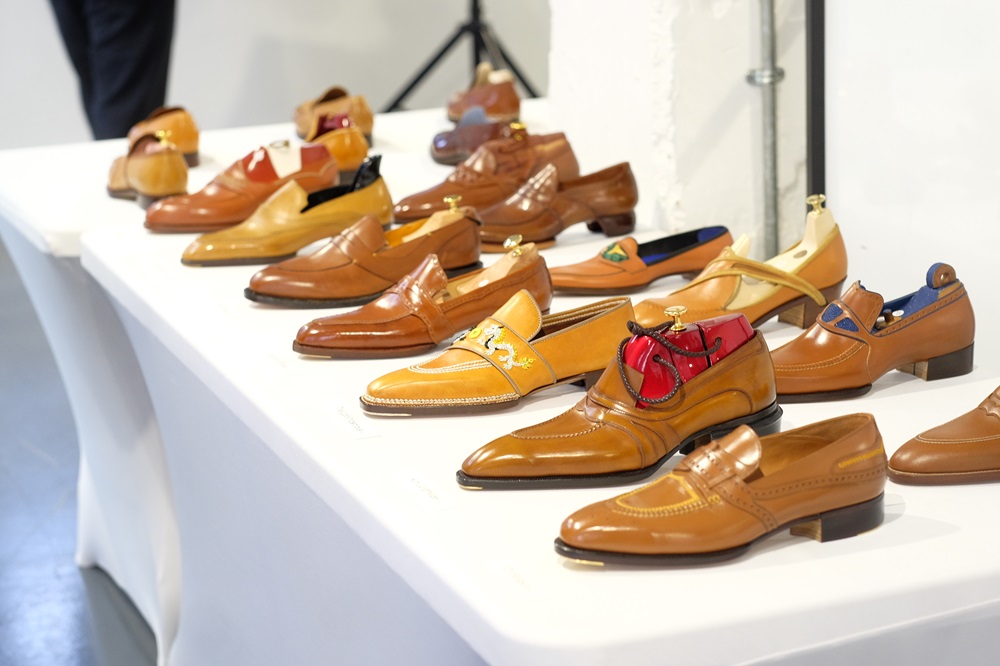
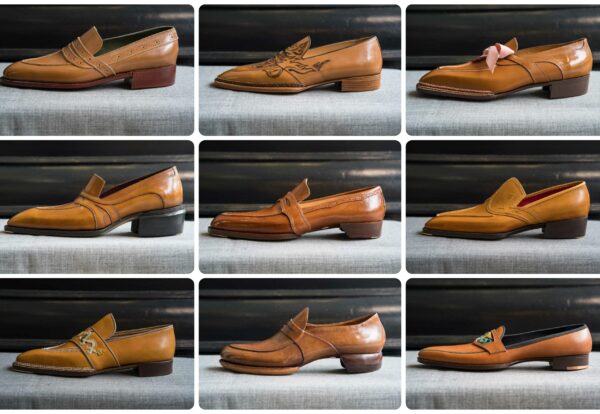
The World Championships of Bespoke Shoemaking 2024 list is finally here. A substantial review of all 25 competition shoes that entered the contest held yearly at the London Super Trunk Show. Here you will find info about the makers and their shoes, as well as some comments, and pictures of the shoes. In some cases, we also share the manufacturing process of the shoe in question. Experience some of the best full-strap loafers you’ll ever see.
After a lot of work, we finally present the summary of all contestant shoes in 2024. As always, there’s a huge amount of amazing craftsmanship and creativity to admire. Part of the London Super Trunk Show at the beginning of May was the fifth edition of the World Championships of Shoemaking (see here for more articles on this contest and find the summaries of previous year’s shoes), organized by Shoegazing, The Shoe Snob Blog and Kirby Allison. The latter is also a funding sponsor of the contest, together with the book project Master Shoemakers, and private person Parker Schenecker, brother of the shoe aficionado Edmund Schenecker who sadly passed away three years ago. These contribute with the substantial prize money of £3,000 to the winner, £2,000 to the second place and £1,000 to the third place (so we organizers don’t make any money at all on this contest, the money is paid directly from the sponsors to the shoemakers). They also receive handmade awls by Phil Norsworthy, plus of course medals.
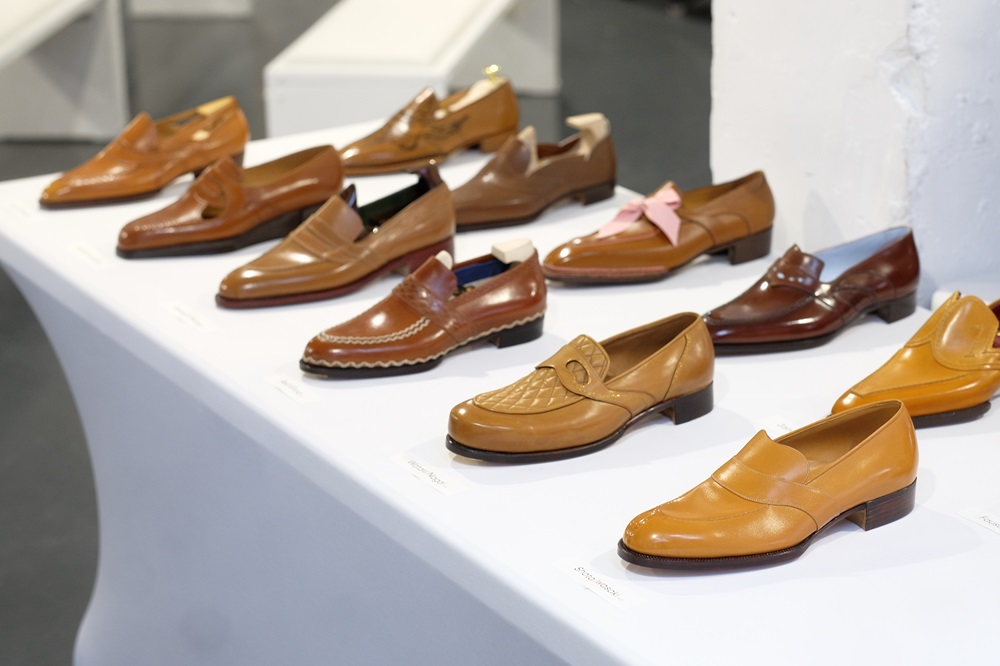
The top three loafers of the World Championships of Bespoke Shoemaking 2024 will also go on tour around the world now (together with the winning shoes in the patina championship), to be showcased to as many shoe lovers as possible. As we always try to do it, it’s a mix of some new locations and stores, and some that have been part of the tour in previous years. The shoes will also be showcased at the New York Super Trunk Show on October 5. The preliminary tour schedule is as follows:
| Week | Date | Store | City, country |
| w31-32 | July 31-11 | Oslo, Norway | Oslo, Norway |
| w34-35 | Aug 19-Sep 1 | Brogues Shoes | Geneva, Switzerland |
| w37-38 | Sep 9-22. | Kirby Allison | Dallas, USA |
| w40 | Oct 5 | New York Super Trunk Show | New York, USA |
| w41-42 | Oct 8-20 | Leffot | New York, USA |
| w45-w46 | Nov 4-17 | Isetan Men’s | Tokyo, Japan |
| w48-w49 | Nov 25-Dec 8 | Medallion Shoes | Shanghai, China |
| w51-52 | Dec 16-29 | Medallion Shoes | Beijing, China |
| w2-3 | Jan 6-19 | Bridlen | Chennai, India |
| w5-6 | Jan 27-Feb 9 | Unipair | Seoul, South Korea |
| w8-9 | Feb 7-March 2 | The Hand | Amsterdam, Netherlands |
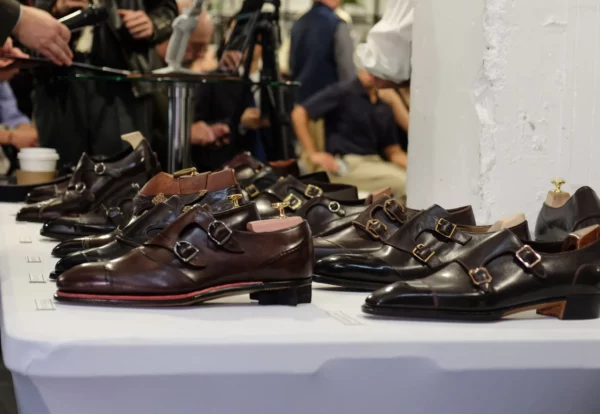
At the London Super Trunk Show, all competition shoes were on display for the over 1,300 people who visited the event during the day, and at the award ceremony in the evening, the top ten were presented. The shoes and the competition always gain a big interest and admiration, and also afterward the attention has been large. Not least with a big feature on the BBC News morning show World Business Report, which was viewed by millions of people in the UK and around the world (more on that in this article).

The day before the event the shoes were reviewed anonymously by the jury, which consisted of (seen on the photo above, listed from the left):
Philippe Atienza, bespoke shoemaker
Dominic Casey, bespoke shoemaker
Masaru Okyuama bespoke shoemaker
Sebastian Tarek, bespoke shoemaker
William Laborde, bespoke shoemaker
Daniel Wegan, bespoke shoemaker
Jean-Michel Casalonga, bespoke shoemaker at Berluti
Vivian Saskia Wittmer, bespoke shoemaker
Gary Tok, sponsor, and author of Master Shoemakers
Kirby Allison, sponsor, and founder of the Kirby Allison store
Jesper Ingevaldsson, Shoegazing
Justin FitzPatrick, The Shoe Snob Blog
The criteria that were set out for the competition shoes were as follows:
– Full strap loafer, separate apron piece with stitching (3-5 separate leather pieces in total), decorations like penny hole, brogueing, punching, and decorative stitching are okay but not necessary.
– One left shoe, size UK8 (or corresponding size), maximum 2 width sizes up or down from an acceptable standard width.
– Smooth light brown calf leather, box calf or aniline dyed, no patina.
– Leather sole.
– Hand welted, handmade sole stitch.
– Brown sole and heel edges, natural colored bottom (decorations with for example wheels or nails are ok, but no dye or burnish).
– Finished inside of the shoe, with sock lining etc.
Errors with respect to the above specifications resulted in deductions of points, a 5% deduction of total points for small errors, 10% deduction of total points for larger errors. If the shoe did not follow specifications at all, it could be disqualified, but this has never been the case yet.
Competitors could enter both as a company or as a person. All persons that have been part of the making of the shoe should be stated, and which process(es) each person has made.

Criteria that were judged:
Degree of difficulty (maximum 10 points per jury member)
-The jury looked at how complicated construction methods have been used, how advanced they have been built both in large and in smaller details, etc.
Execution (maximum 10 points)
-The jury looked at how well the various parts of the shoe construction have been made, how neat and clean the work is, how well executed the level of finishing is, etc.
Design/Aesthetics (maximum 5 points)
-The kury look at the overall aesthetics of the shoe, proportions, balance, etc.
So, below first is the full list of results, then a walkthrough of all competition shoes, from position 1 to 25 (1-10 in this post, 11-25 in the other article to come). I really recommend looking through things thoroughly, studying the photos, etc, to really appreciate things. The overall level continues to be pushed upwards, even if the absolute top level has been similar since the start. It certainly requires much more to take even 20th place now than it did in the first years of the contest.
There are more pictures and text on the top position shoes, with so many entries I have to do things a bit more condensed to make it workable, but all have a brief summary and at least four pictures of the shoes from various angles. In some cases of the top ten shoes, I’ve also included pictures of the making process.
World Championships of Bespoke Shoemaking 2024: The Top Ten
Results
The contestants 11 through 25 are listed in another post.
1. Ken Hishinuma

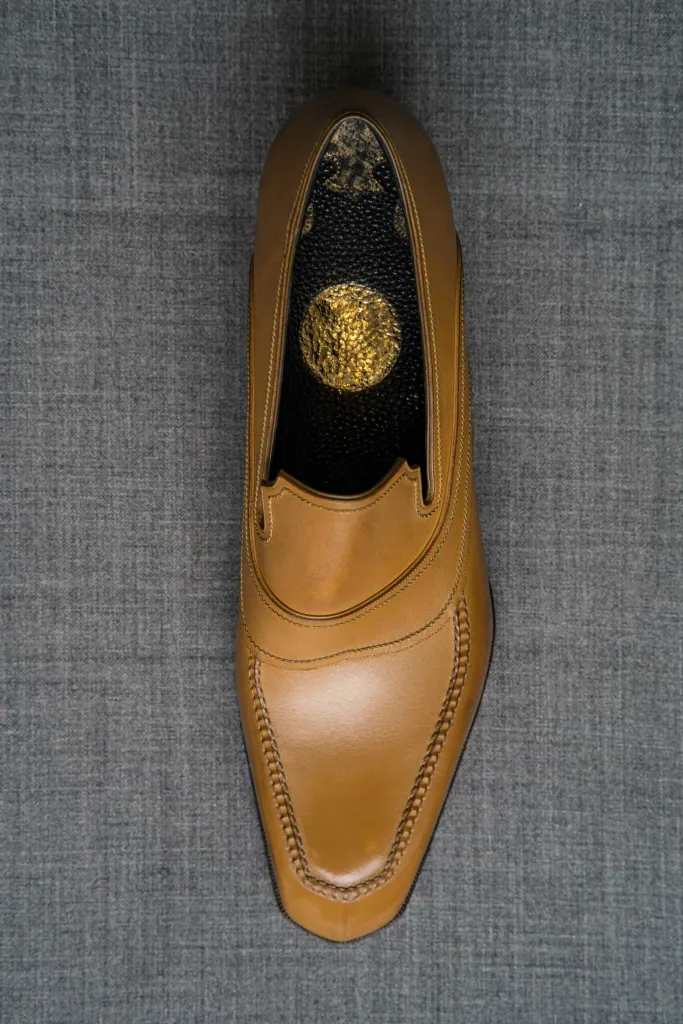
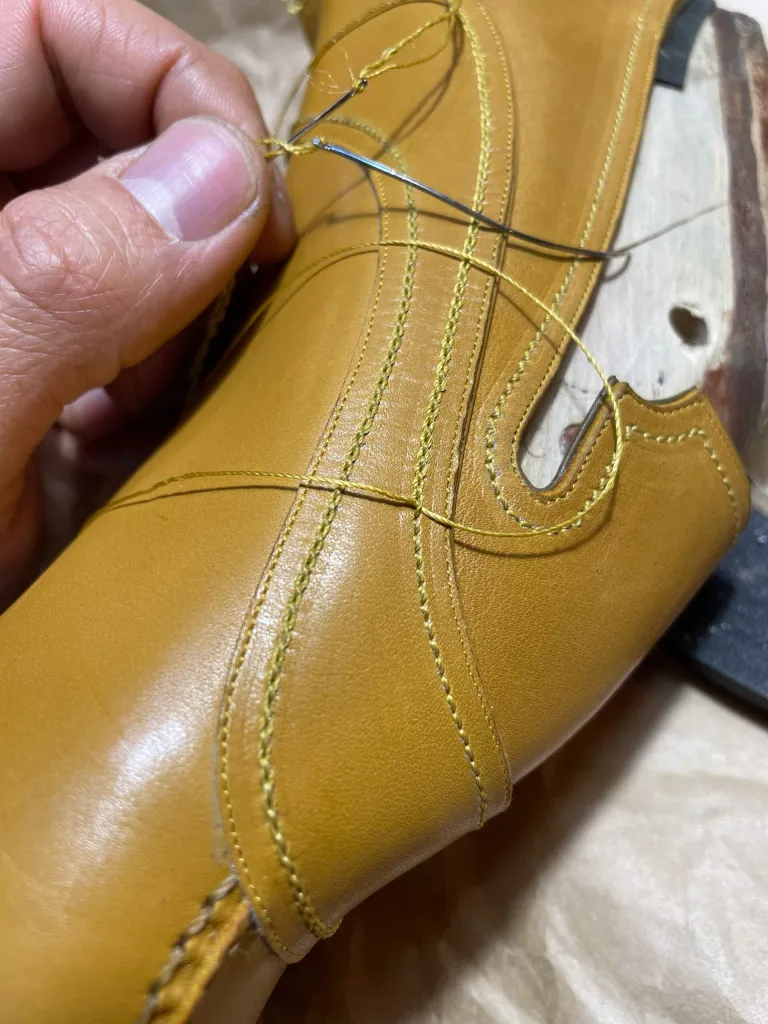
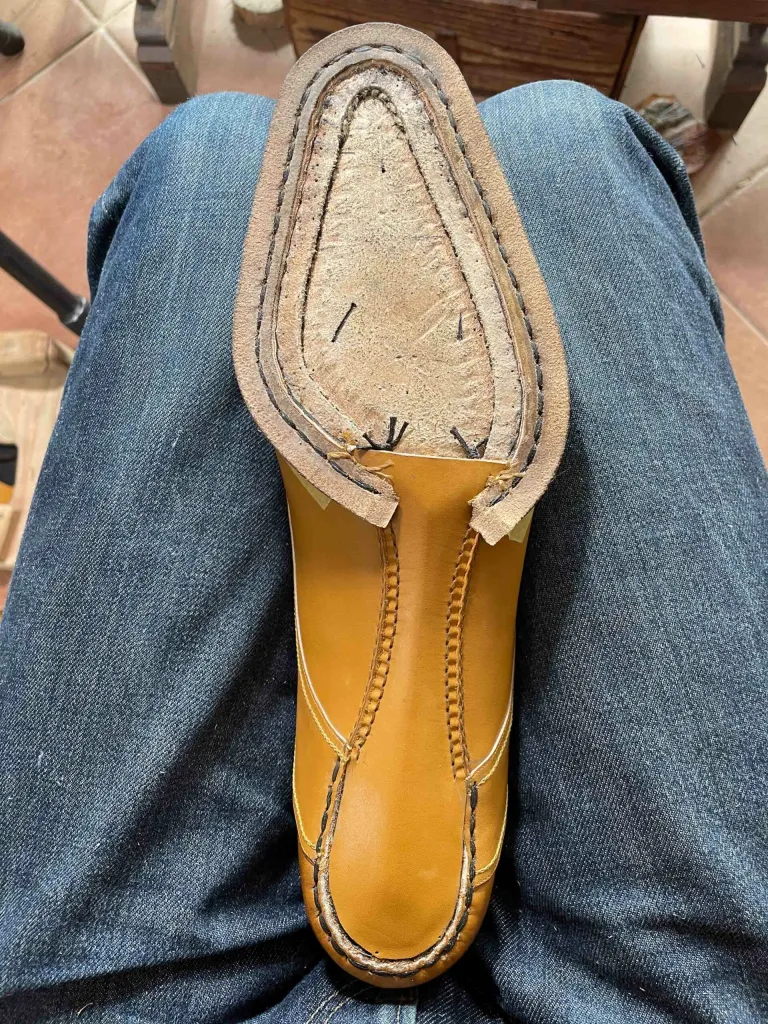
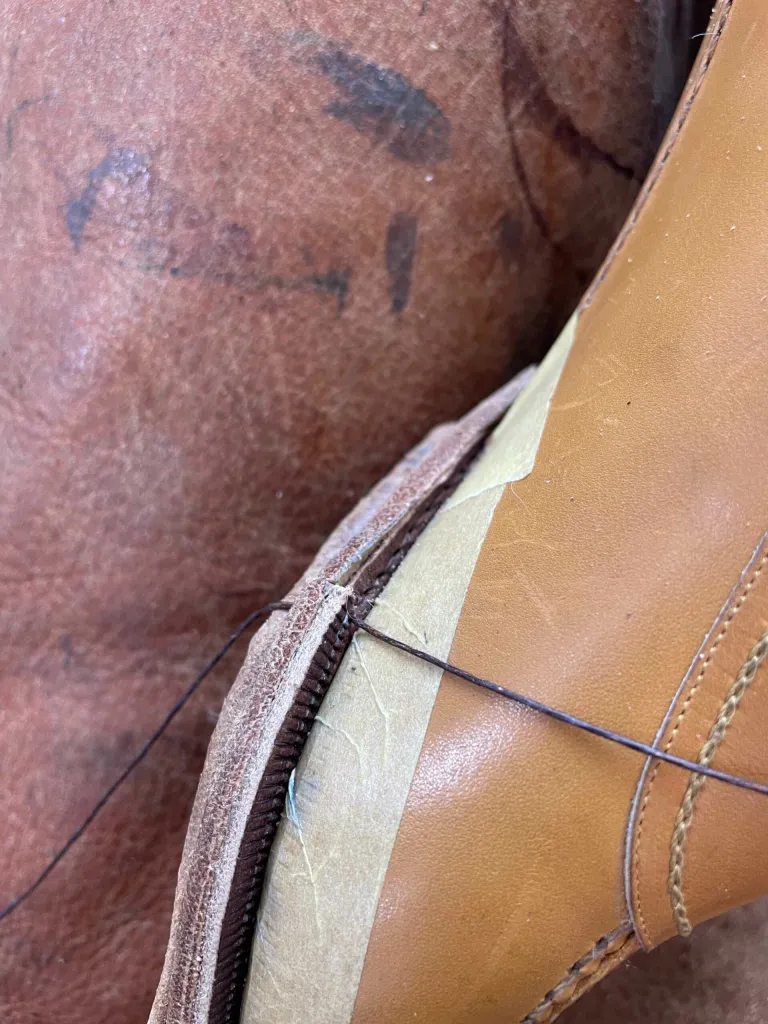
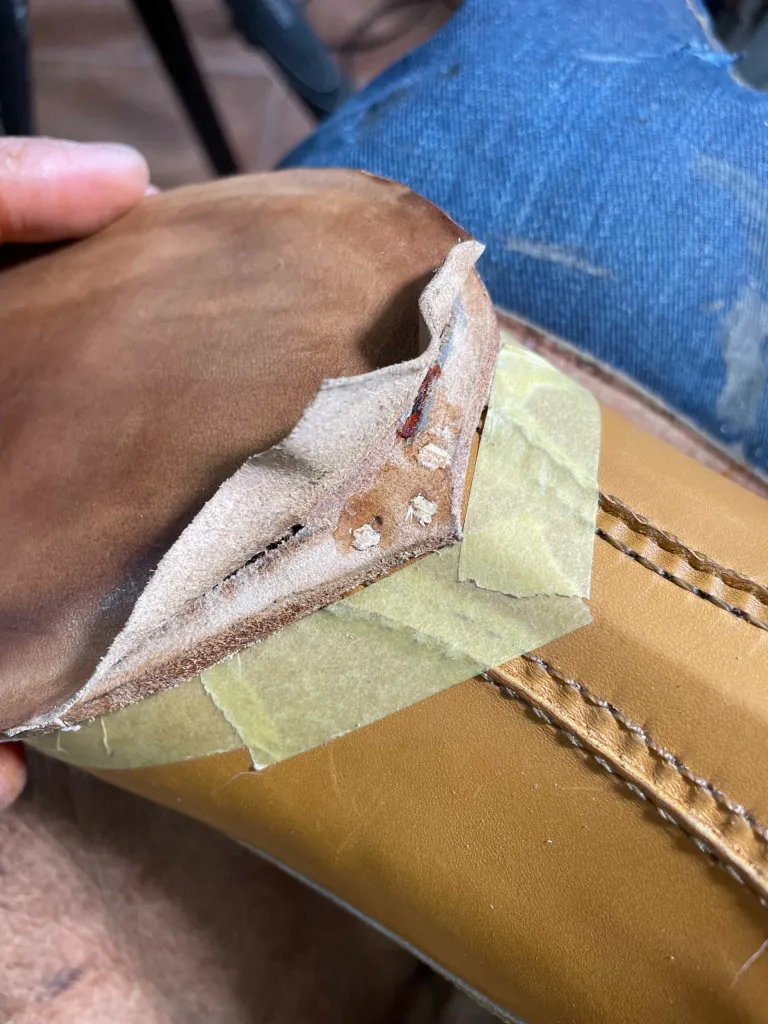
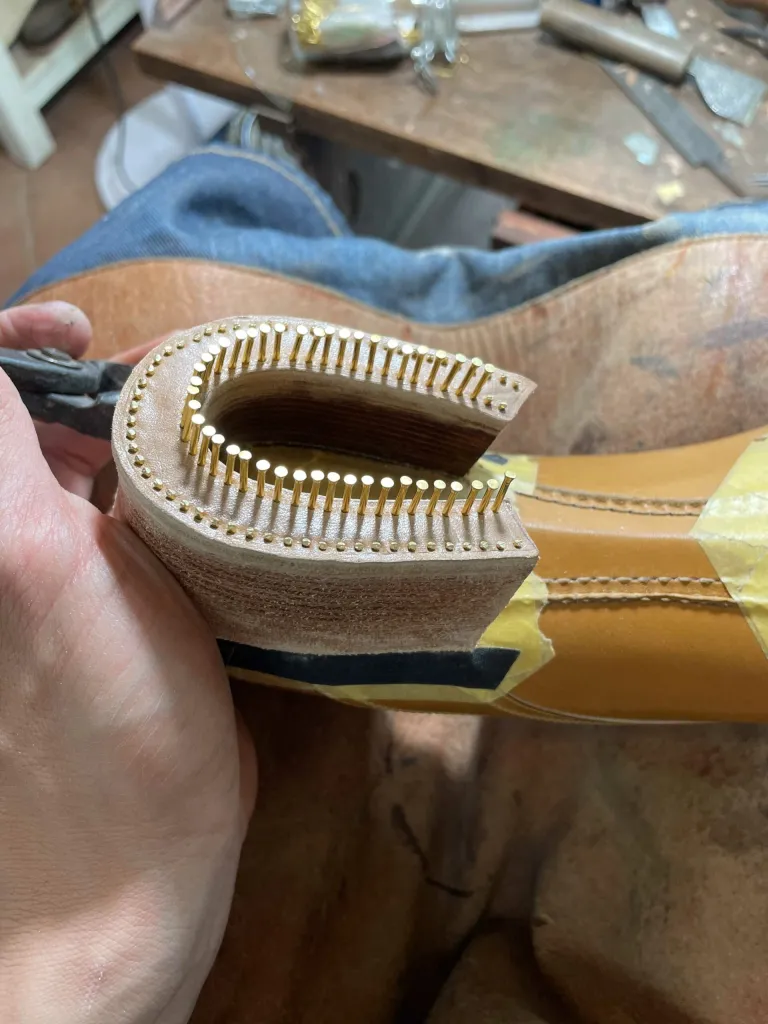
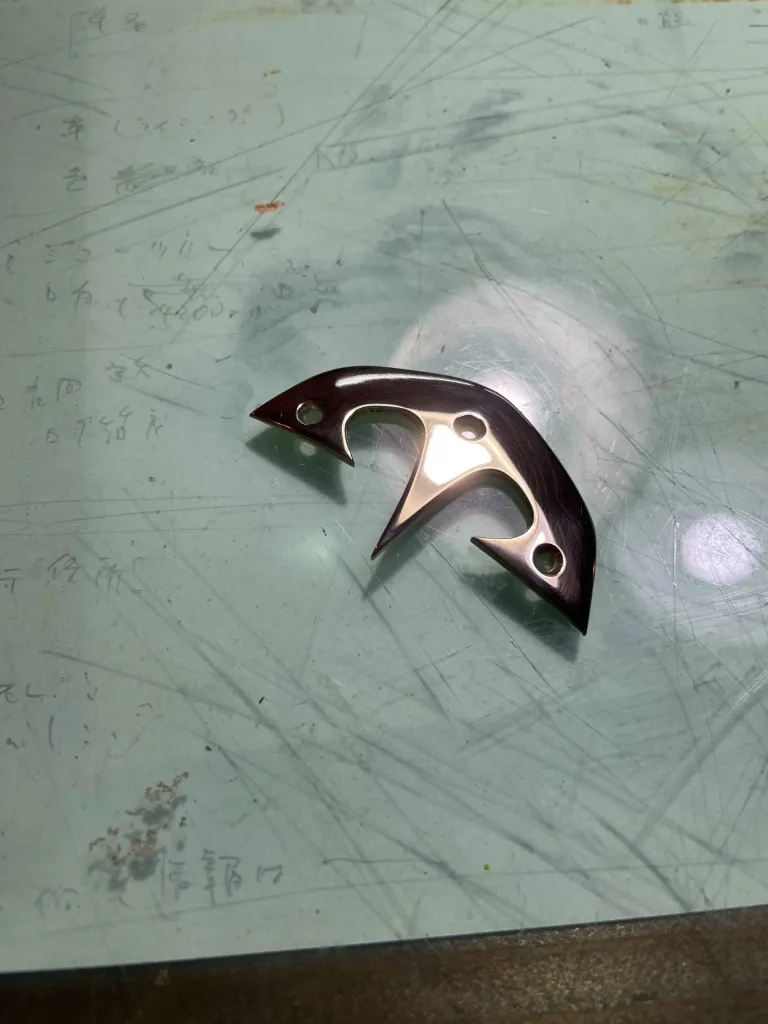
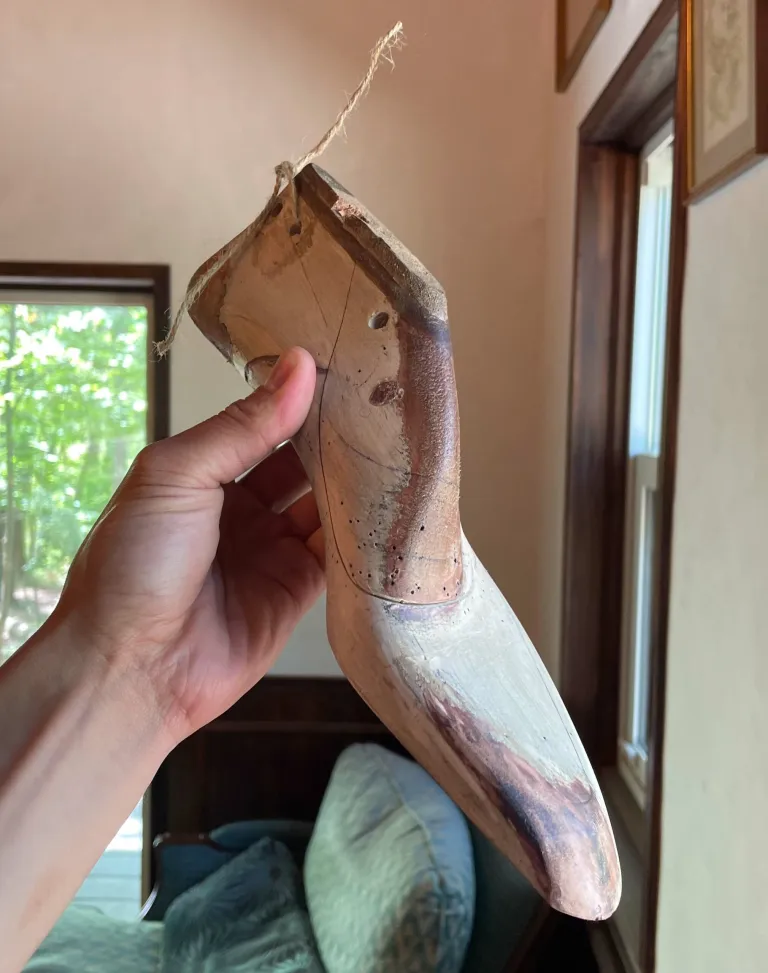
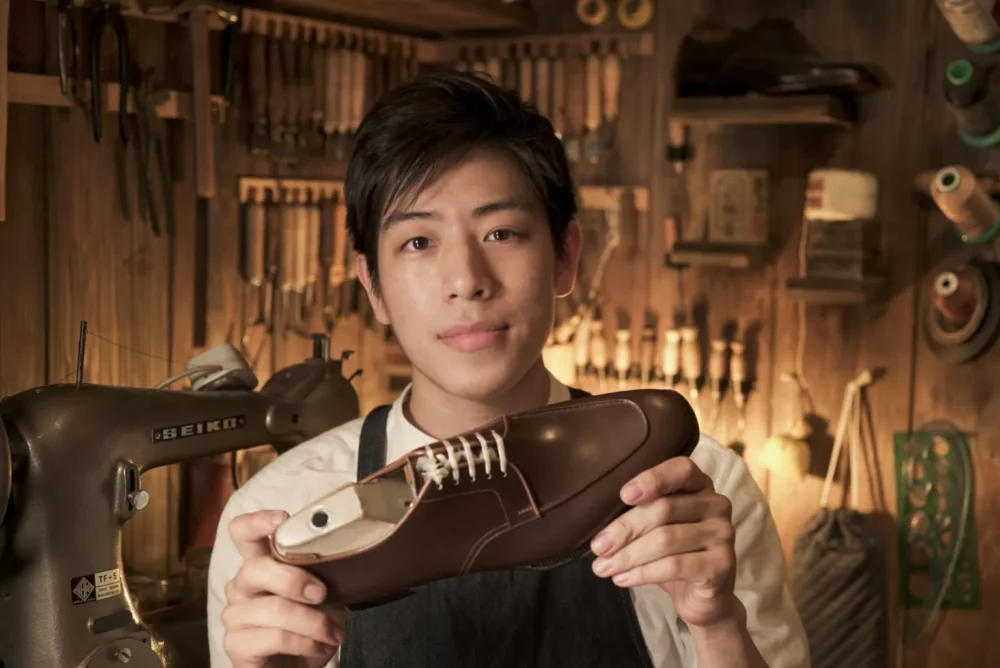
As always, the world champion shoe is a spectacular one. Made by Ken Hishinuma from Japan, who runs the brand Khish the Work. First of all, it is a beautiful shoe. That’s also what Ken is most pleased with himself, that the shape of the last and the design lines are in harmony. The full strap parts extend far back, many of the seams of the upper are enhanced with hand-braided threads, and the apron is done with a slightly special more overlapping version of the pie crust stitching, which makes the seam even more marked. The toe can look like a split toe from a distance, but it’s a ridge done on the toe puff which flows down to the pointed toe tip of the sole edge.

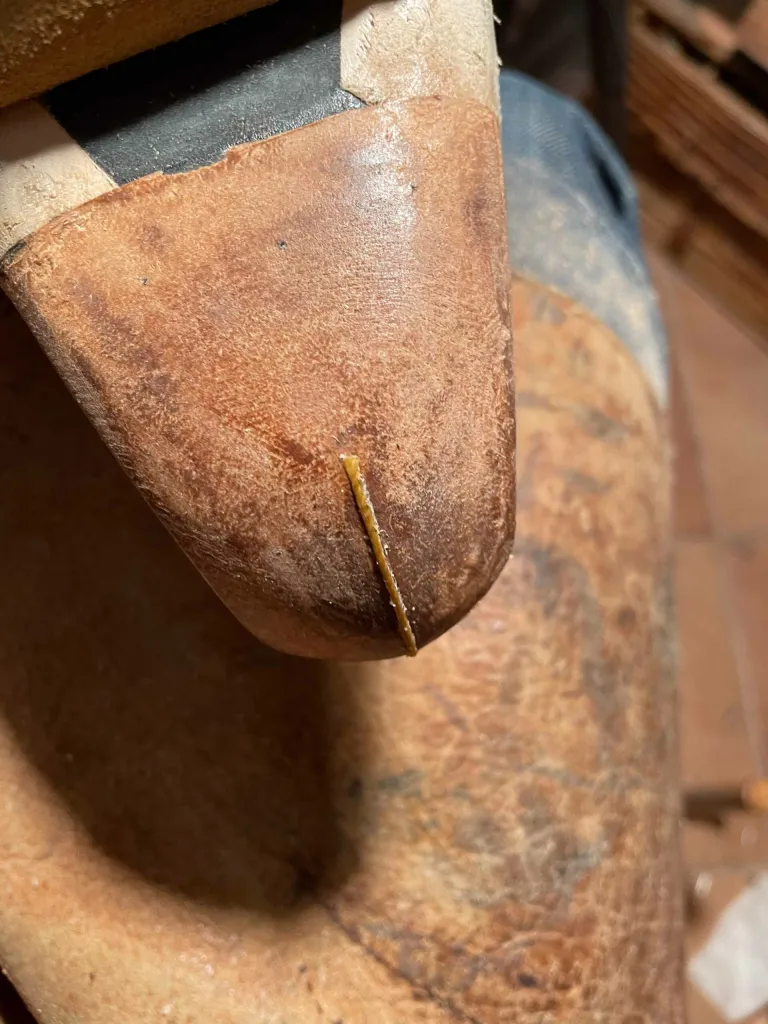
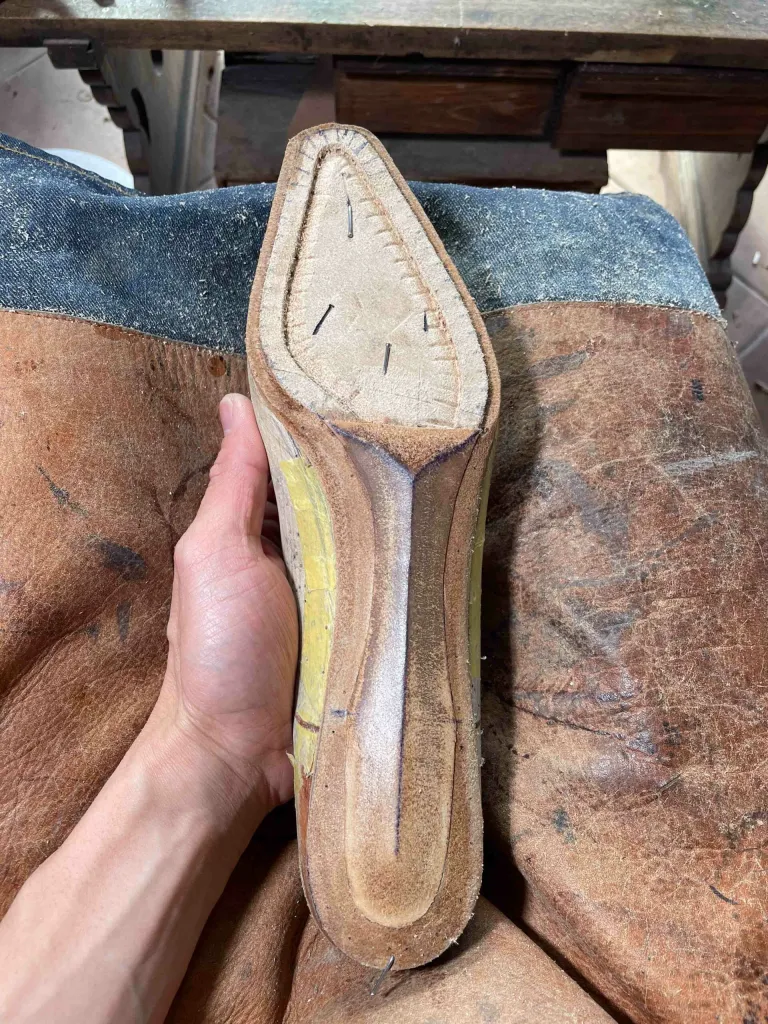
The shoe ticks off two of the biggest trends of this year’s contest, the horseshoe heel (which since the Atelier du Tranchet duo Christophe Corthay and Christophe Algan’s two shoes in the first contest in 2018 has been increasingly popular) and the non-existing waist. Here the waist has the same semi-pie-crust stitching as the apron and is part of the upper, a surely interesting and stunning solution.
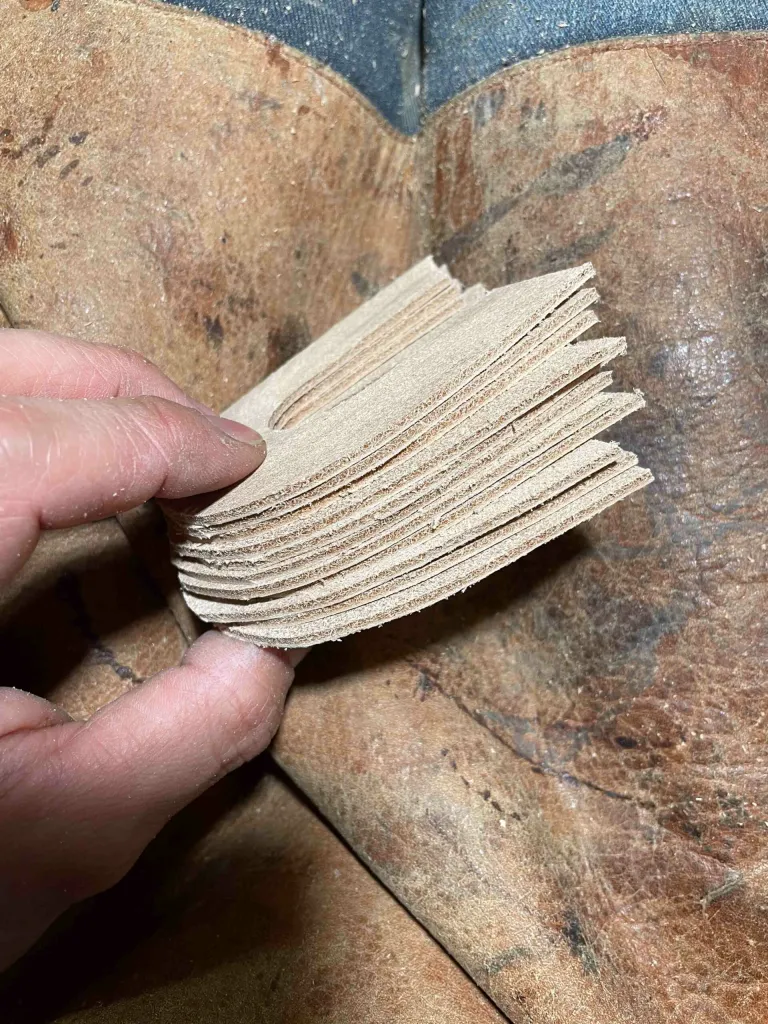
The heel is built with thin fine layers, and the sole stitching at 18 spi (stitches per inch) is very well executed. Ken spent about 150 hours making the shoe, including prototyping. In general, as has always been the case with the winning shoe, the jury gave very high points on execution. The shoe is more or less flawlessly made. Compared to some of the previous year’s winners, a slight bit lower on difficulty, but among the highest winners on design/aesthetics. Ken Hishinuma made the whole shoe himself, apart from polishing, which was made by Go Ishimi.

Ken Hishinuma used to work for an architectural design company. He was attracted to the shoemaking craft, and in 2019 he attended the Ishihara Shoe School in Tokyo, and he decided to go all in on shoemaking. He started the brand Khish the Work in 2021 and is based out of Yokohama, south of Tokyo. Last year he relocated to Hokuto City in the Yamanashi Prefecture, in the central part of Japan.
Khish the Work offers MTO, MTM, and bespoke, and after winning the world champion title interest in his shoes has increased a lot, he’s been on Japanese television, and more. Ken Hishinuma also runs one of Japan’s largest YouTube channels on shoemaking, called Crazy about Shoes, and there he has shared several videos on the winning shoe, not least one that in details the manufacturing (see it below).
More photos of the astonishing shoe.


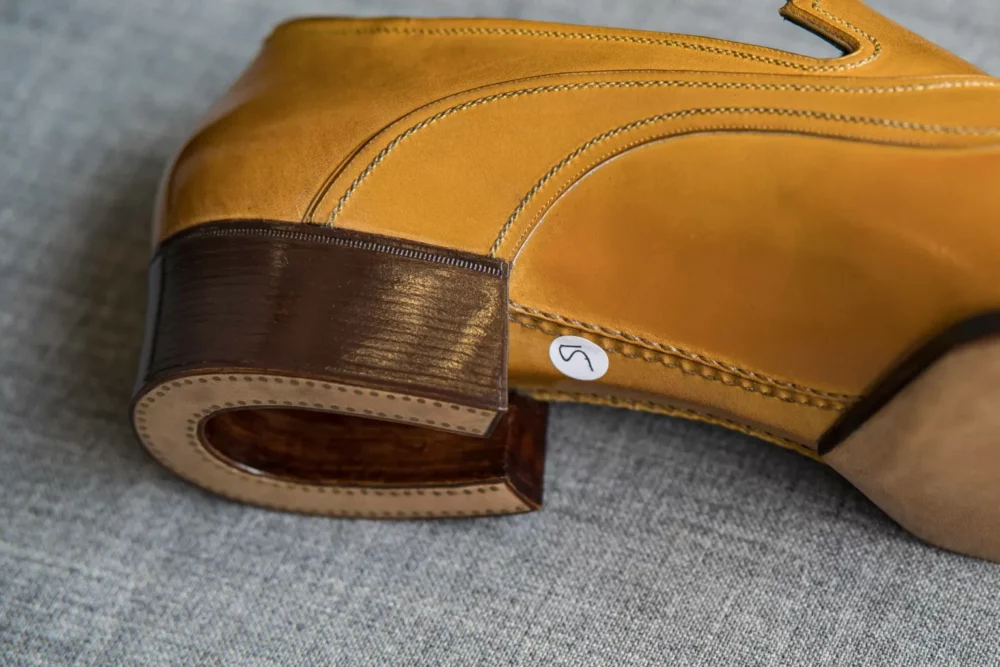



2. Hiroshi Takagi

The silver position went to Hiroshi Takagi, also from Japan. A superbly well-made piece of footwear, which has an interesting design. With brogueing along several parts of the upper, and a slight sandal feel over the back, and the front upper piece following all the way back as a sort of strap. If you look closely and also see things like the “two-layered tongue” and how the different pieces swoop around the shoe in various ways, you appreciate it more and more. The brogue pattern also follows along inside the shoe. Hiroshi says that the work with the pattern was the most challenging part of making this loafer. It’s a quite busy shoe, but Hiroshi surely managed to keep it together in an excellent way.

Looking at the bottom another horseshoe heel is revealed, and a simulation of the upper continuing inside it is very nicely made. Execution is exemplary, all from the advanced apron with a folded edge in the middle and a hand-braided seam on both sides, to the super tidy sole stitching at an impressive 21 spi. Also, difficulty and design received high points, albeit a bit lower than the winner.

Hiroshi Takagi isn’t the most famous name in Japanese shoemaking, but hopefully, that is changing now. He was trained by the Japanese bespoke shoemaker So Tsuchiya (the man behind the famous “clown shoe” that was placed high in the contest 2019). Hiroshi finished seventh in the world championships back in 2022, with a well-made longwing, this is his second entry. You can see more of his work on his Instagram _hytee. Hiroshi Takagi made the entire shoe himself, he spent over 100 hours on the making.
Unfortunately, we don’t have any photos of the making of the shoe, but do enjoy some more of the finished loafer.


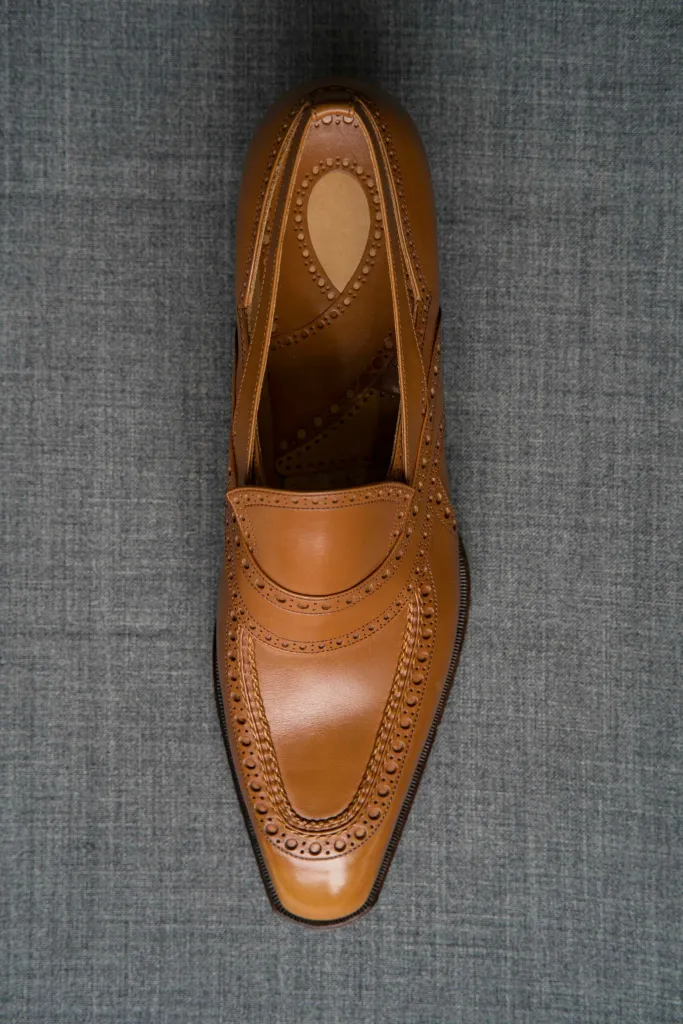
3. Aria Badia

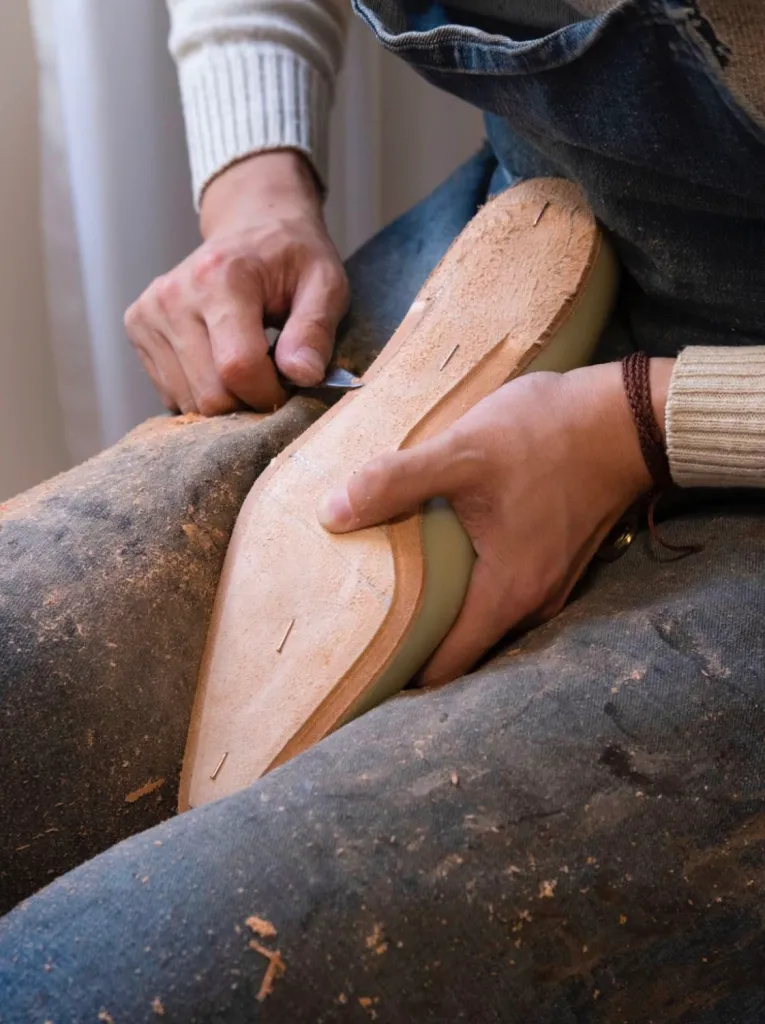
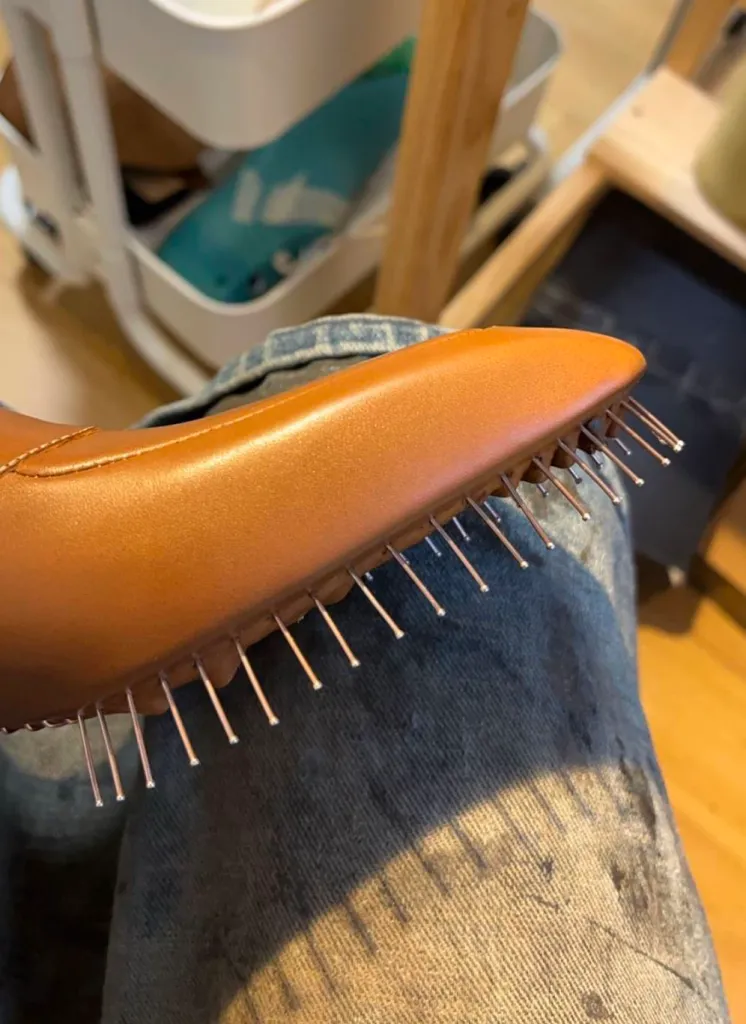
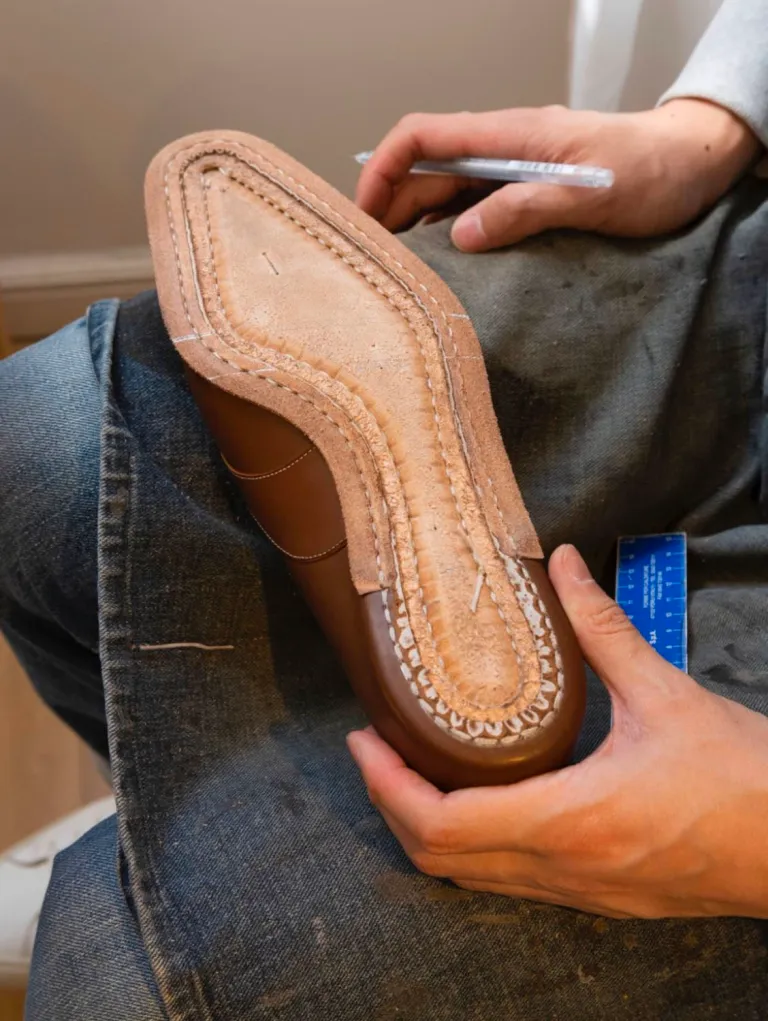
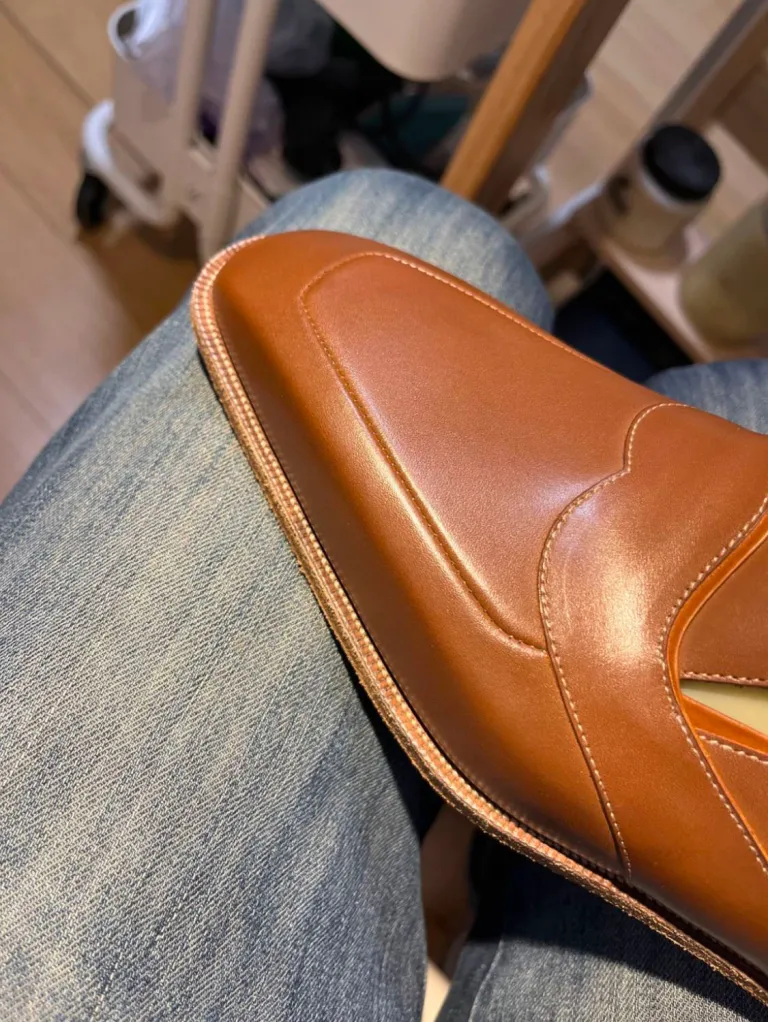
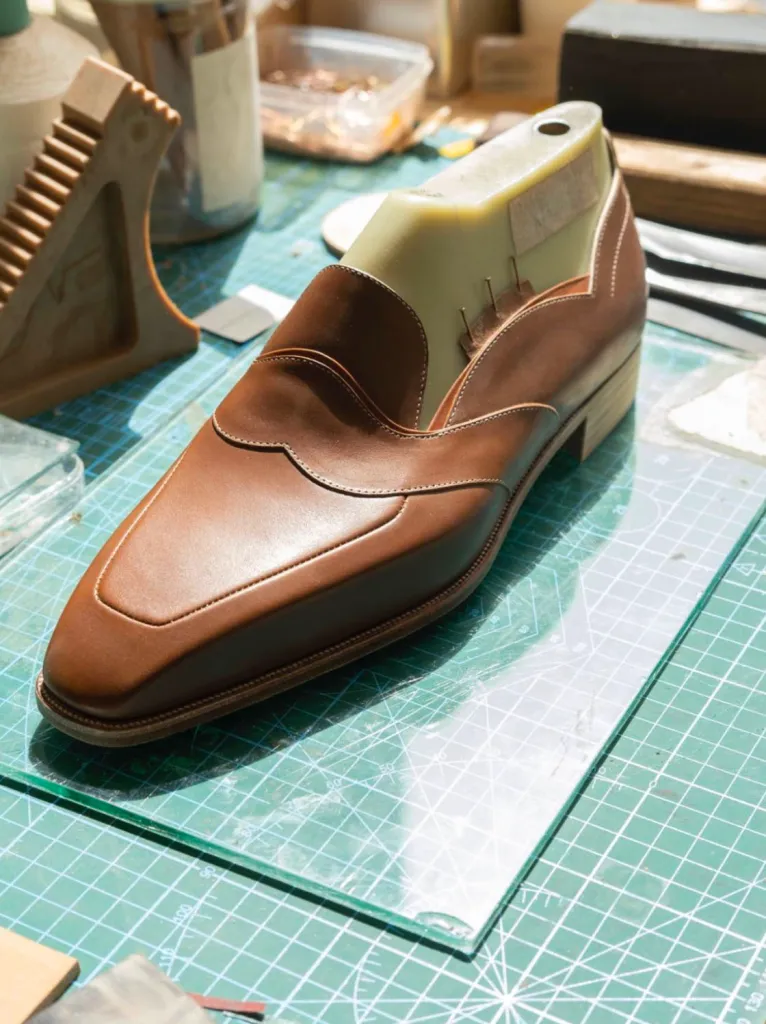
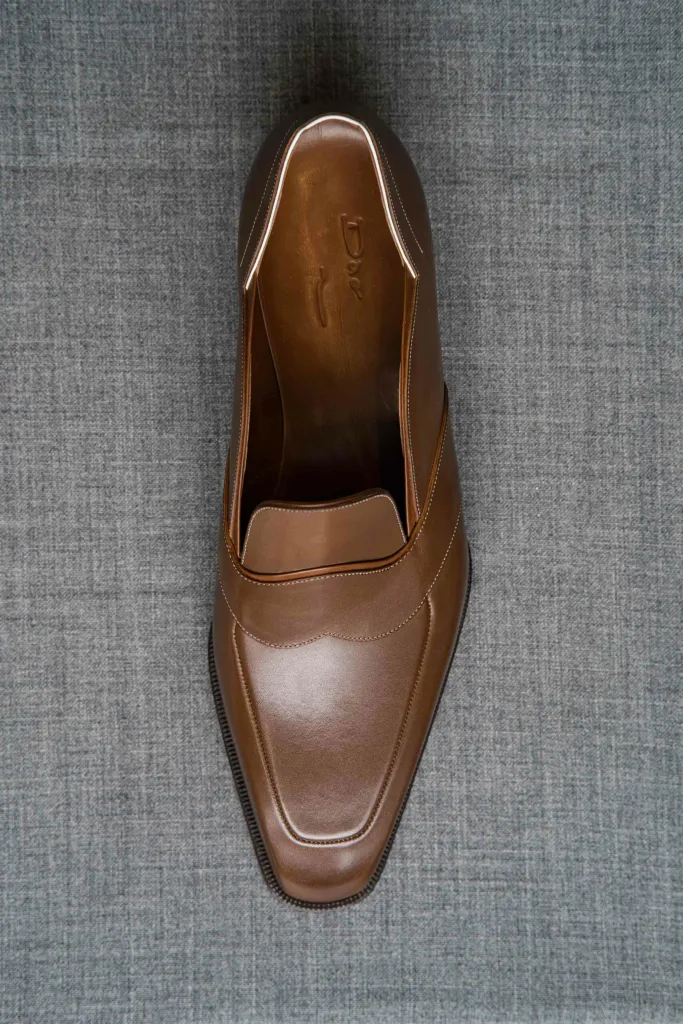
The biggest sensation ever on the podium of the shoemaking world champs, most likely. Aria Badia is a Chinese newly started brand, run by two hobbyist shoemakers Jiang “Dao” Daoyuan and Zhun. It is a well-made shoe for sure, but the difficulty isn’t that high. They compensated for this by receiving the highest level of points ever on design/aesthetics, pushing it just ahead of the more advanced Acme shoe in fourth place. Even if this category has 5 points per jury member compared to 10 for execution and for difficulty, we do see it is an important one. It was also the aesthetics category that made Athanase Sephocle take the win over Victor Vulpe last year.

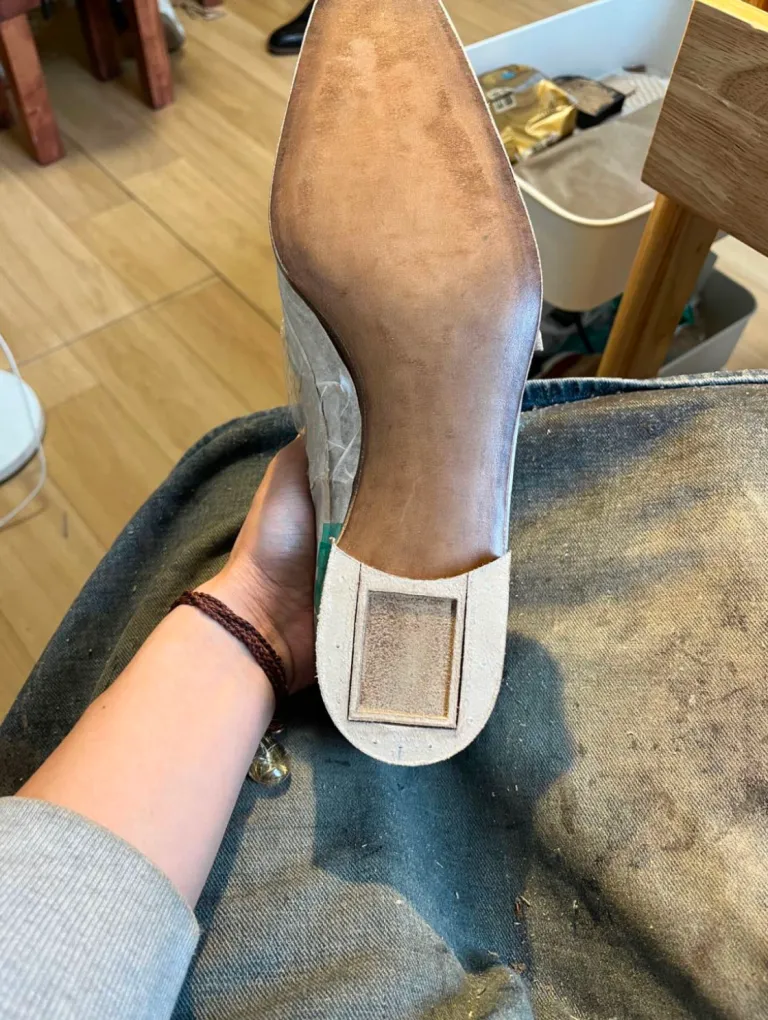
It is, objectively, a seriously beautiful shoe that they have crafted. The Aria Badia duo studied shoemaking in Florence, Italy, for several years, and they’ve drawn a lot of inspiration from the Tuscan city into this shoe. The full strap represents the Arno River, and the curves of the pattern are reminiscent of the stone arch bridges that pass over it. The last shape and the make itself are neat and very classic overall. There’s one interesting surprise though. A hidden compartment in the heel that houses an Italian stamp.

As mentioned, Dao and Zhun went to a shoemaking school in Florence, where they got to know each other. When moving back to China recently, they started the Aria Badia workshop together. They have regular jobs, and do shoemaking on evenings and weekends. Design, pattern, upper, and bottom making by Jiang, finishing by Zhun, and details by Xiyun.
The sock lining is marked “Dao”, and as stated in the Call for competition shoes should be unbranded. Since it was only the nickname of one of the makers, and completely unknown to all jury members, it was decided that they didn’t receive any deductions for this.


4. Acme Shoemaker

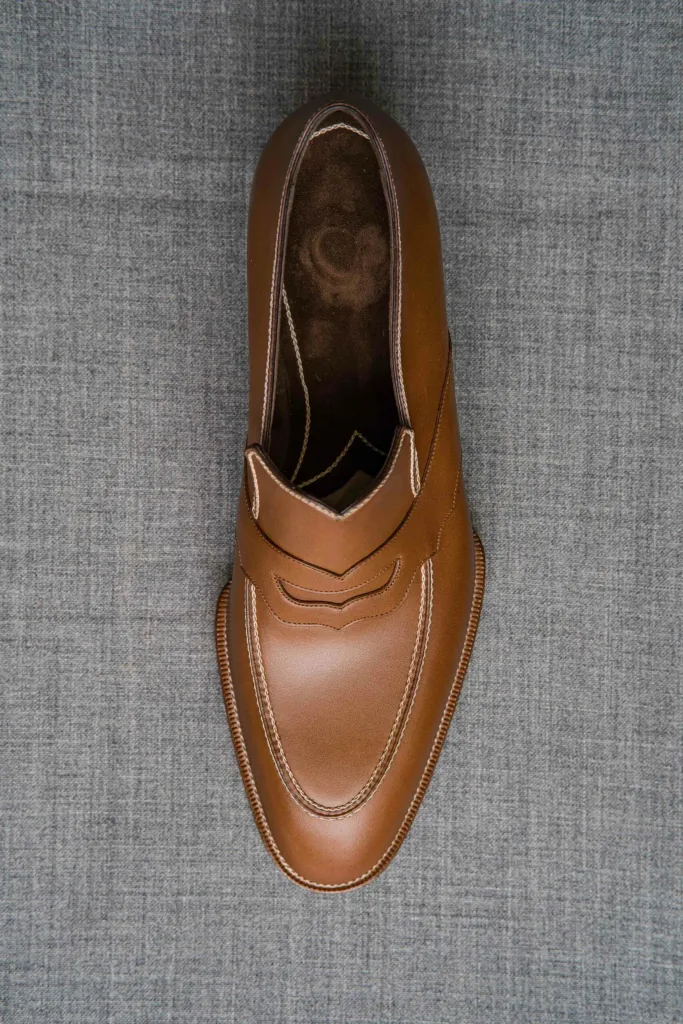
The Chinese company Acme Shoemaker missed the podium with 1 single point, but no doubt, it’s a superb shoe they have created. The upper, sole stitch and sock lining inside the shoe have parts with hand-braided stitching in a contrasting color. The bottom is even more spectacular, with braiding along a build-up on the waist, a hollow heel, and carved art leather inserts. Received very high on difficulty, high on execution, and a bit lower on design/aesthetics.

Acme is based in Beijing, it’s a large shoemaking workshop making high-end RTW up to full bespoke. They’ve established themselves as the leading workshop of top-class shoes out of China, and competing with the best makers around the world. The following have been part of making the shoe: Xue Zhong, Yin Junqun, Sun Jianhua, He Zhihong, Chen Xiangsheng, Chen Feifei, Zhou Zhihai, Li Hailiang, Luo Hedi, Zhou Xing, Ji Lei, Wang Xiaochuan.


5. Andrey Kaveshnikov

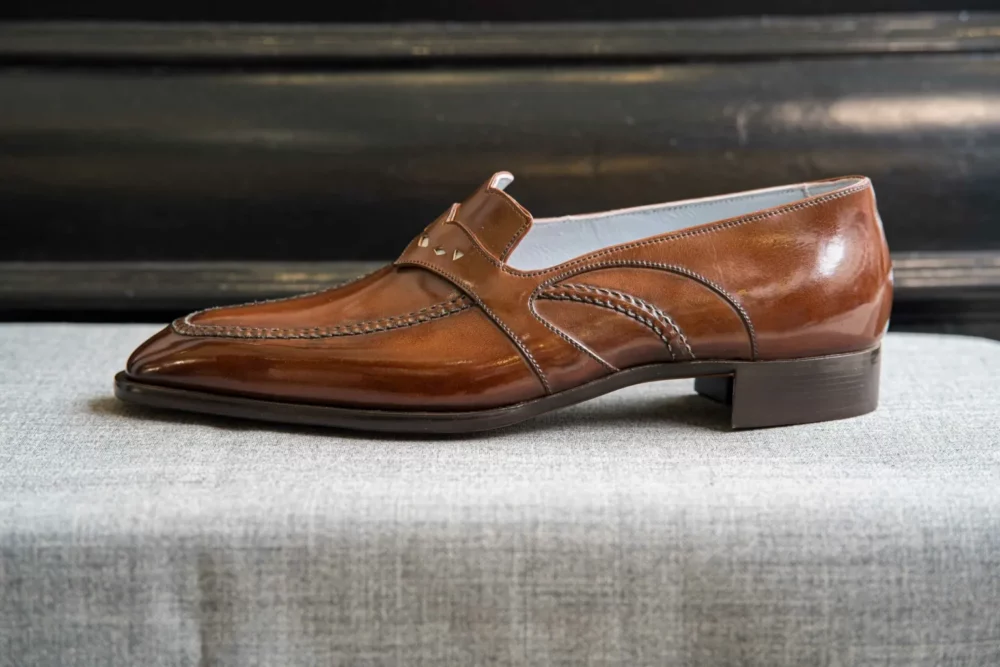
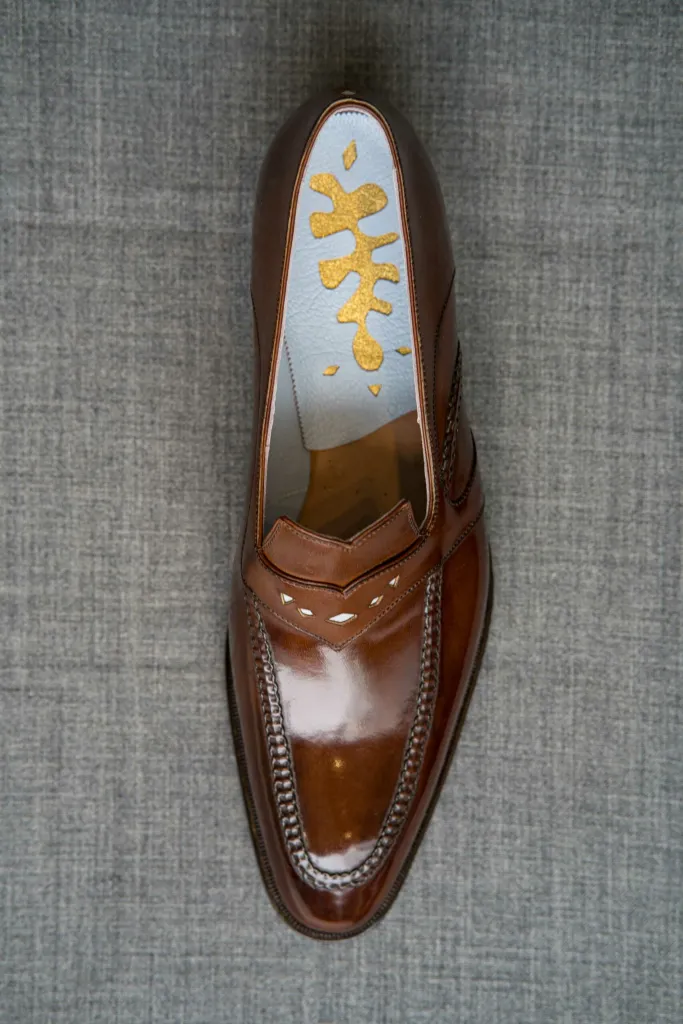
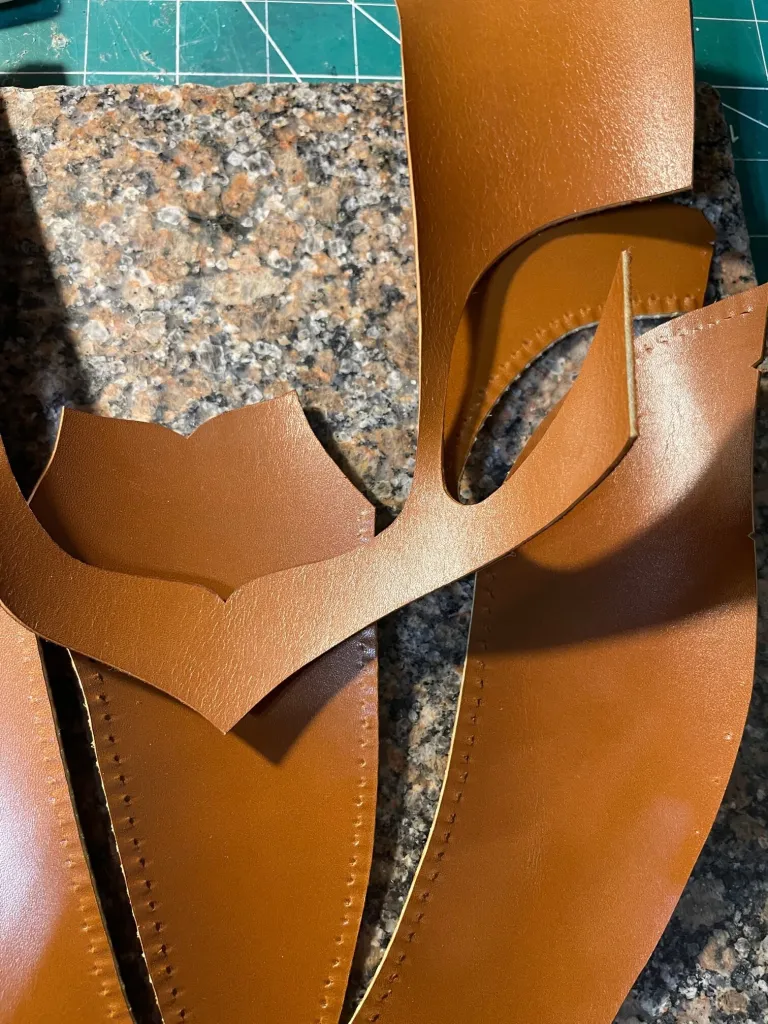
Andrey Kaveshnikov from Russia has a shoe that quite obviously has been inspired by last year’s winning shoe, with a narrow waist and upper coming under the bottom, and also is simulated to continue below the sole part. It has a hand-stitched butted apron that goes below the strap into the quarter. It also has lovely glass pearl beading inlets, very tight sole stitching, skin-stitched heel seam and so on.

Andrey Kaveshnikov is a shoemaker in Moscow, one of the more famous Russian makers. He has entered the contest every single year and always comes up with new creative ideas. The design, apron, and back seam stitching, bottom making: Andrey Kaveshnikov. Upper pattern making: Nadezhda Artemova. Closing: Galina Krutukha. Glacage: Alexey Vrublevskiy.



6. Dito Tokyo

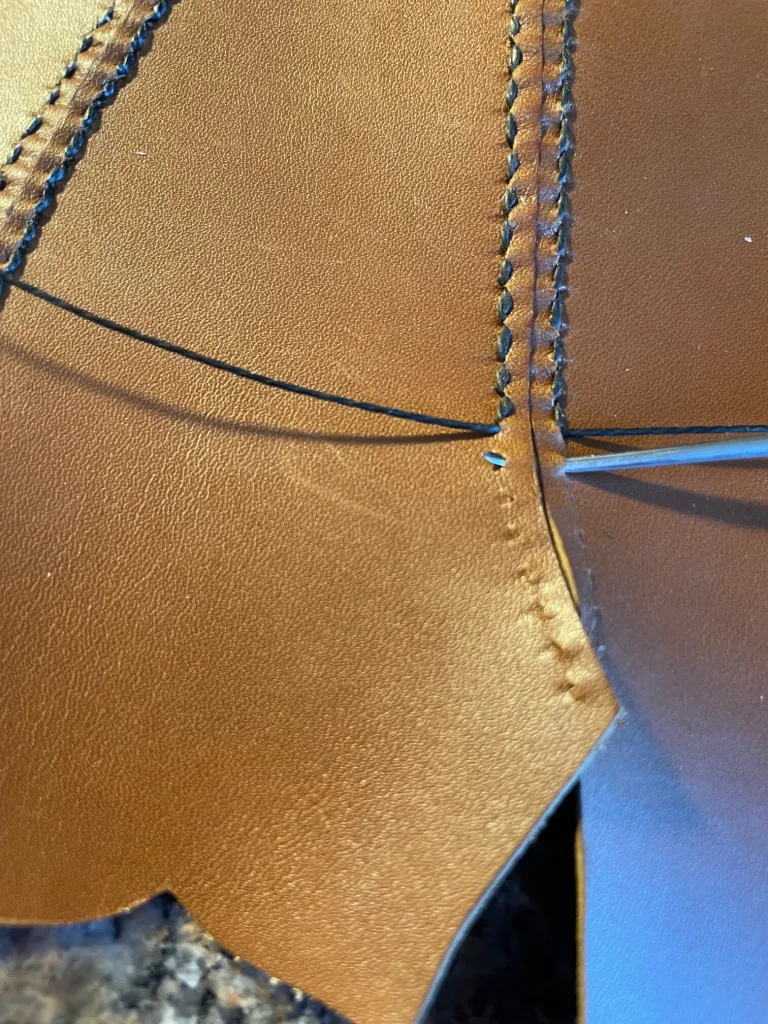
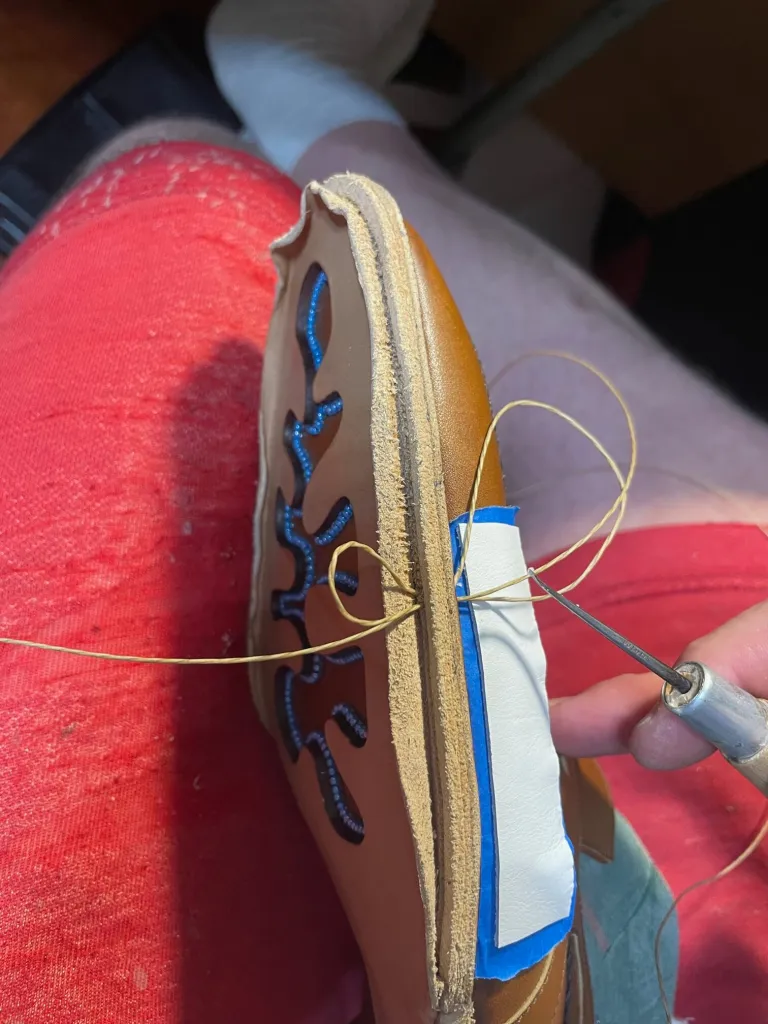
Dito is a Tokyo-based brand, of Fumiya Masubuchi and Kai Ishii. It’s another very well-designed shoe with the only part a bit off balance being the small heel, and also excellently executed overall, but not the highest difficulty. It has a very Japanese feel over it, where the use of natural colored threads for embroidery and decorative heel inserts is behind a lot of it. Not over-designed, just well-designed.

Dito is inspired by shoemakers from around the world, and they make a lot of different styles of shoes. A lot of more casual and chunky styles, and some very classic, some more uniquely designed ones. Lastmaking, pattern, and upper making by Fumiya Masubuchi. Lasting, bottom making, and finishing by Kai Ishii.



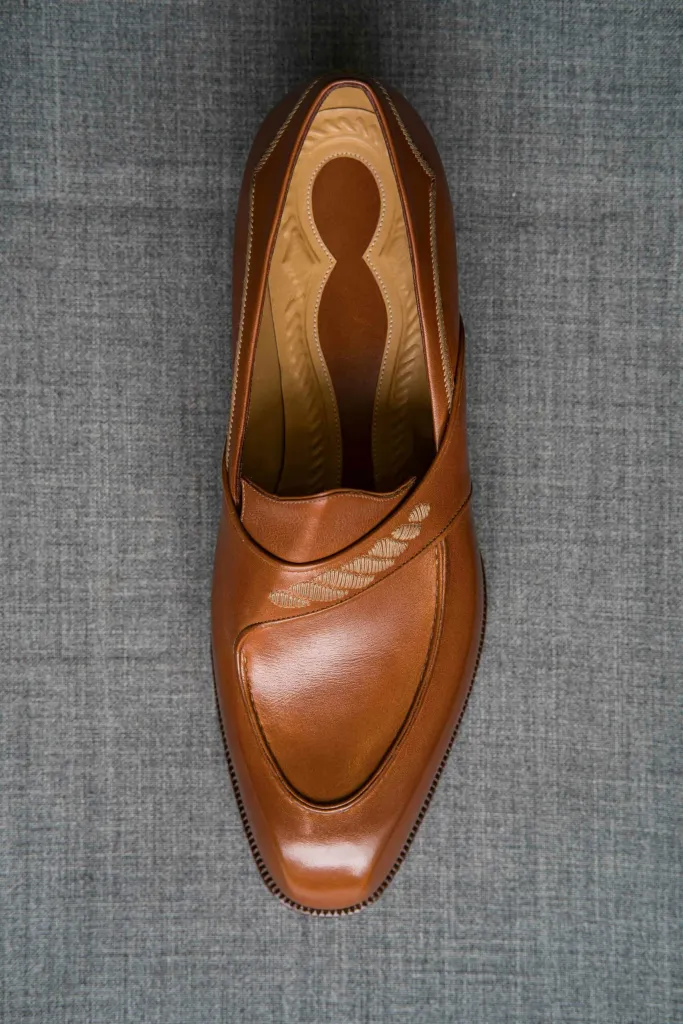
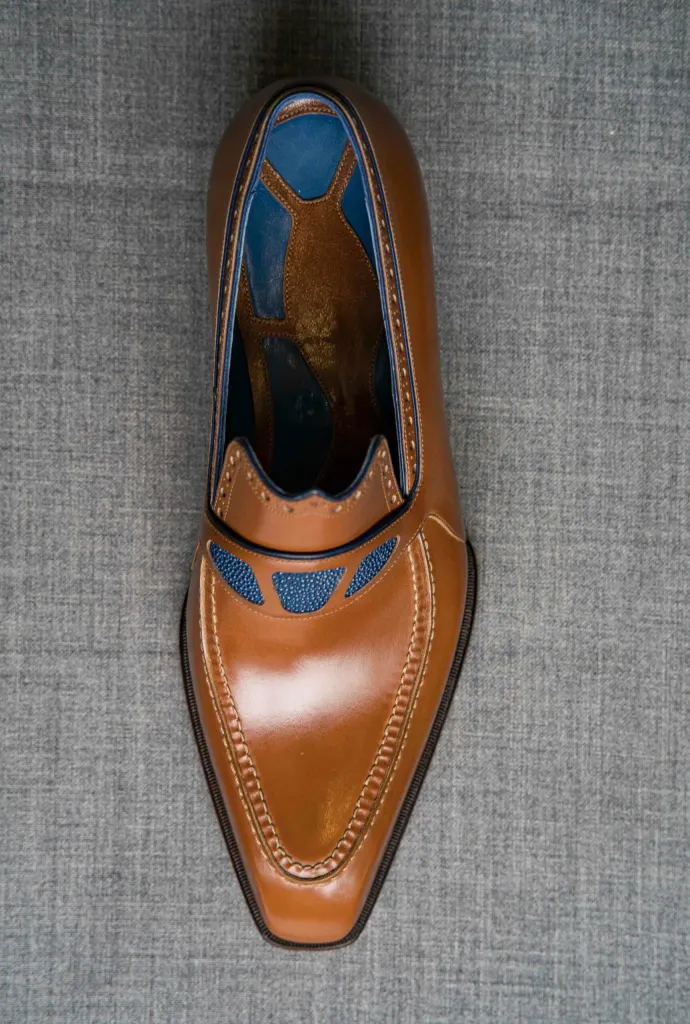
7. Attila Kovács

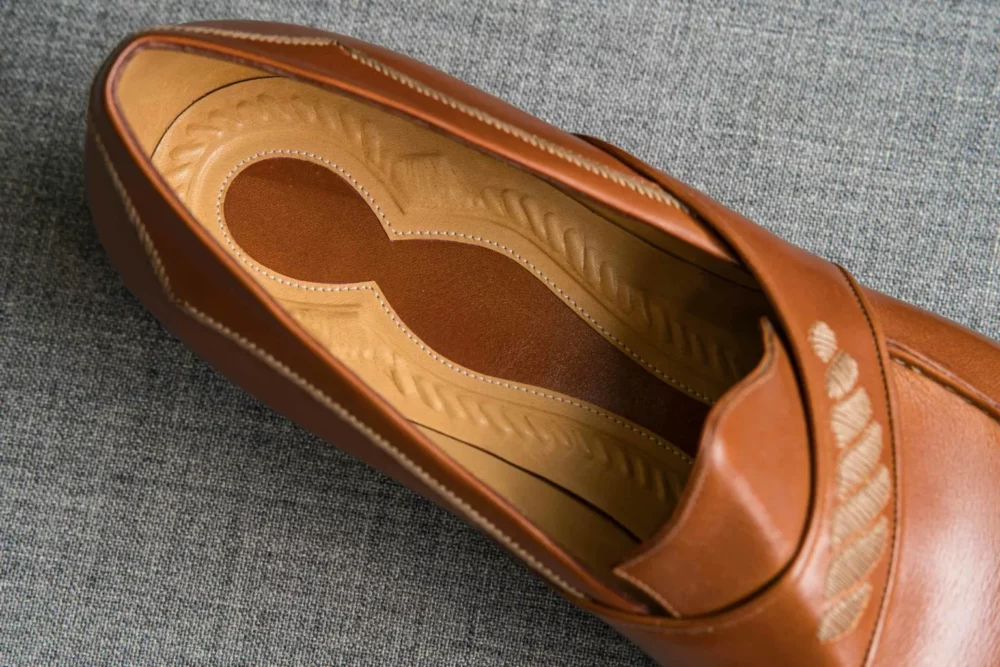
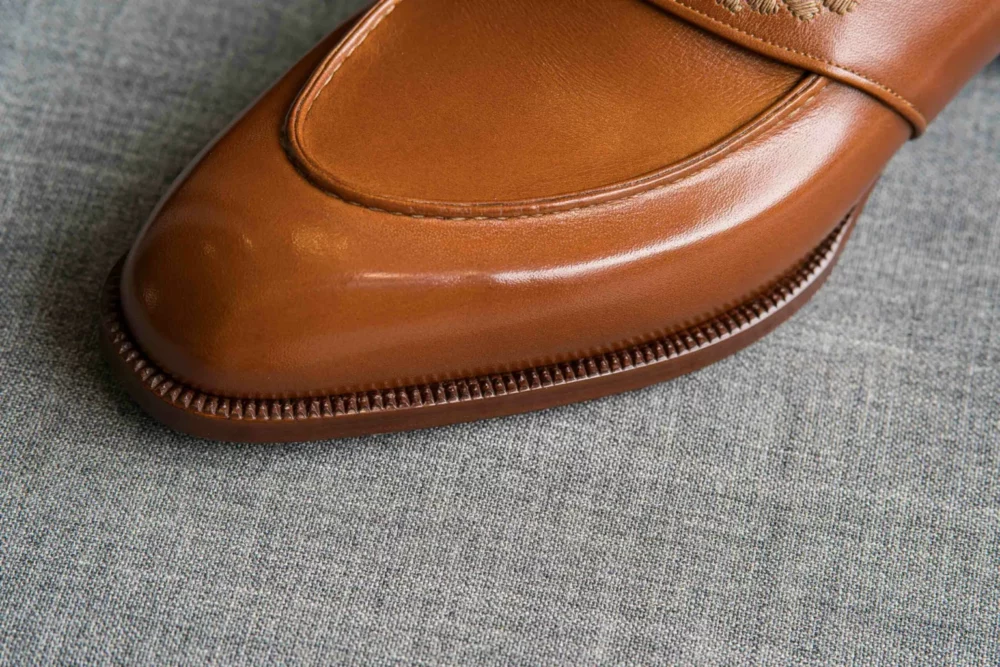
A true exhibition piece, made by Attila Kovács from Hungary. Stitching of both upper and sole stitching is exemplary, the sole stitching is super tight yet still cleanly made, very impressive work. Then the navy stingray inlets add character to many parts of the shoe, which has a lot of playful and difficult features. Also a show without any waist, just a marked ridge of navy leather.

Attila Kovács established his own business in Hungary in 1991, who offer handmade RTW, MTO, and also bespoke. He has through the years successfully participated in numerous Hungarian and international shoemaking competitions, and likes the creativity that contest shoes can bring out. Attila Kovács made it all himself.


8. Kodai Kawasaki

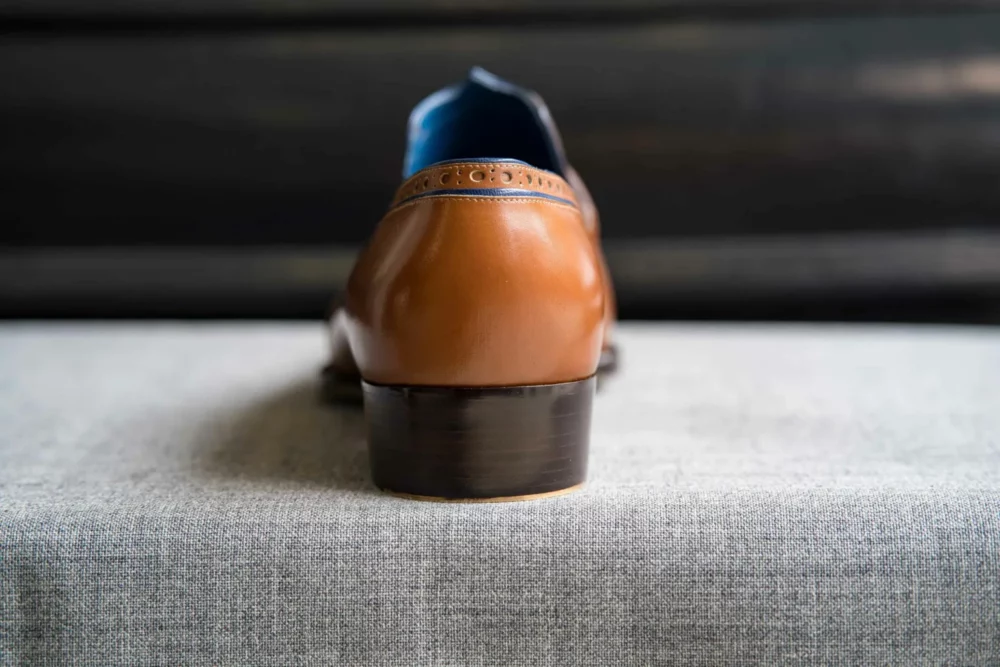
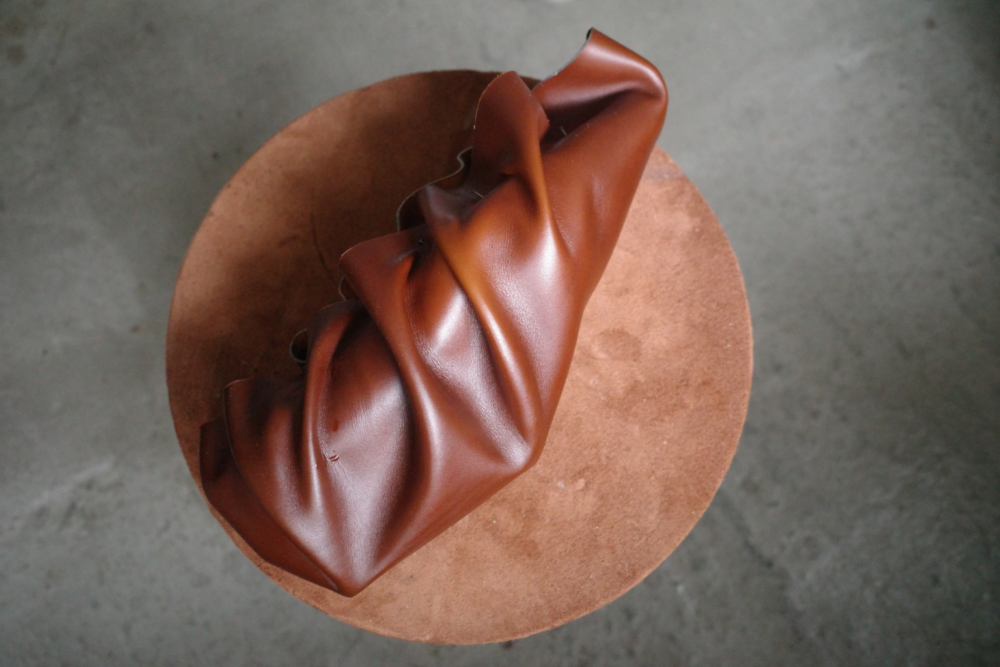
Kodai Kawasaki from Tokyo, Japan, has made the shoe that probably stands out the most in this year’s contest. The half-open sandal-inspired upper with the seamless piece as a base is one thing, but the so-called “faux wedge sole” really gives it a unique look. It is also one of those things that one hasn’t seen before and we are so happy that this contest brings out. The shoe is well put together, not least the edge finishing is super and the way that the sole is split to be made into two levels is a treat.

Kodai Kawasaki has learned the basics at various shoemaking classes in Tokyo, and then spent time in Vienna to develop his shoemaking skills. He runs the brand Shoe Place, another brand that manages to combine offering classic dressier shoes with casuals and relatively playful designs. He made it all himself.




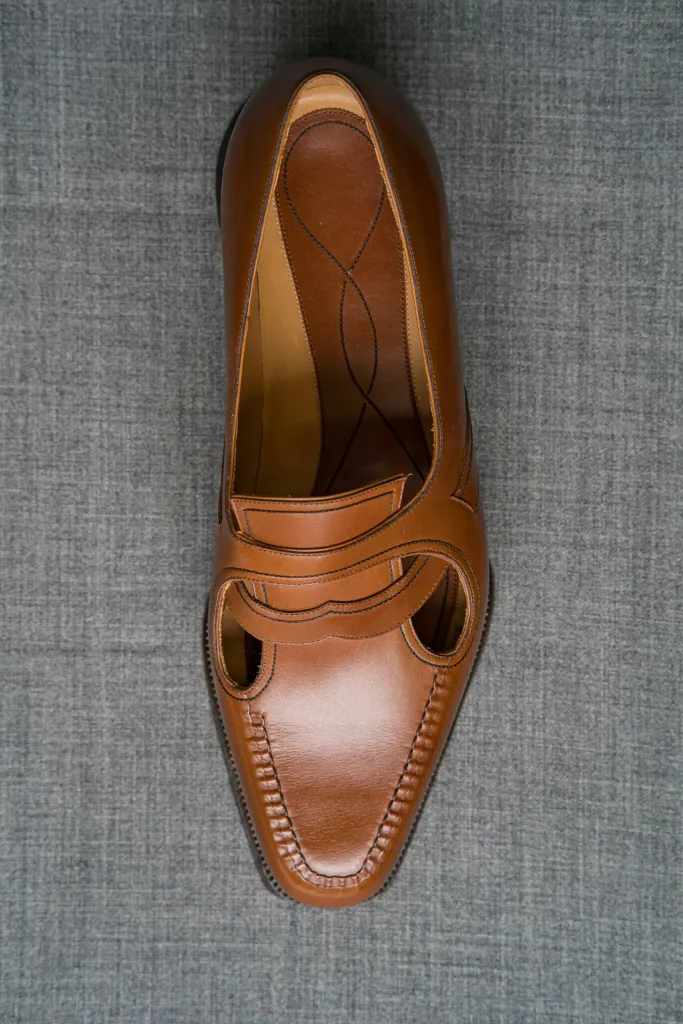
9. Sapatero Manila

Sapatero Manilla from the Philippines has made a beautiful shoe that has a braided decoration on the strap as the main feat on the upper, and an intriguing glass case bottom as the “usp” of the bottom. Through the fiberglass at the waist, one can see the welt stitch as well as a decorative metal shank that looks almost like a railway. The middle of the heel has an octagon-shaped ladder with a “sun” made of the same metal at the bottom. The execution is overall really good.

Sapatero Manilla is a shoemaking workshop in the capital of the Philippines, established in 2013. They offer RTW, MTO, and bespoke. The goal is to revitalize making shoes by hand in their country. A long list of participants is part of the making: Raymond Villanueva, Jaime Pacifico, Jerwin Lim – Design concepts and sketches. Jerard M. Jader – Insole, Welting. Percival Buensalida – Pattern making. Elsa Carullo – Clicking, Closing. Antonio Osorio – Lastmaking, Lasting. Marjun Orbong – Bottom Making, Finishing.
The shoe got a 5% deduction of points due to the vamp not being a separate piece, which was stated in the guidelines.


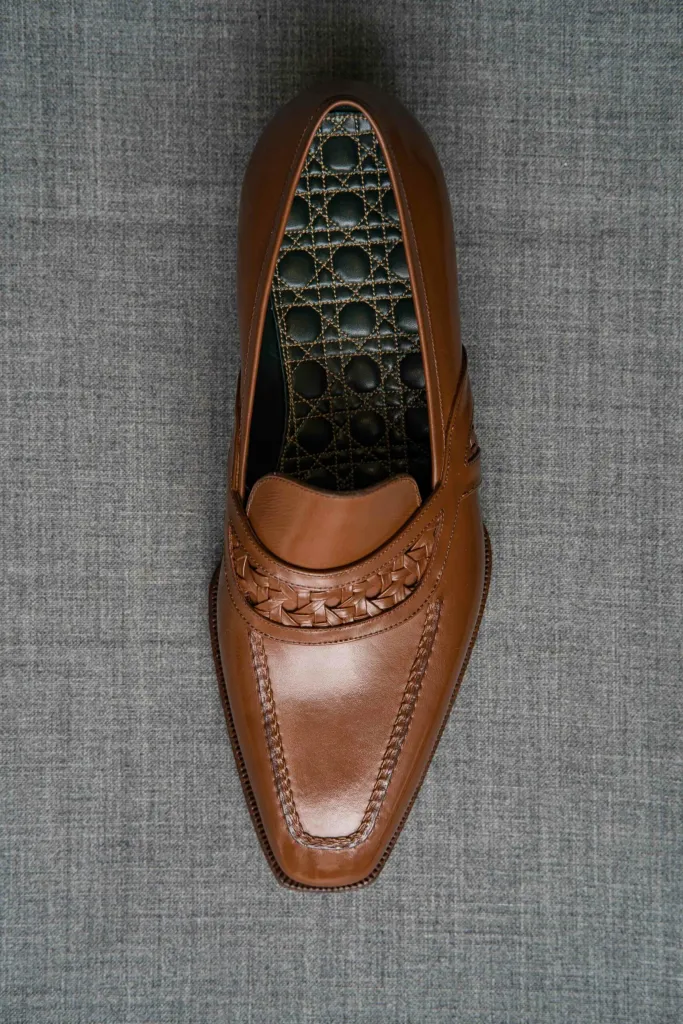
10. Oh Sangjun

Oh Sangjun is the only South Korean in the top ten this year. The shoe has a lot of things happening, decent difficulty especially of the upper, and well executed. Some really neat hand-stitched decorations on the upper, and a special solution for the strap. Sole stitching looks great. Sole has nice metal parts included, and some more toned-down design choices.

Oh Sangjun has trained in shoemaking for a decade in Japan, but now lives and works Seoul in South Korea. He runs a bespoke shoe workshop as well as hosts a shoemaking school where he trains new makers. He made all himself, apart from the metal toe tap made by Yun Jihoon.
Also, this shoe got a 5% deduction of points due to the vamp not being a separate piece.





Would like to learn about dress shoes and casual wear shoes , am from Ghana west Africa
I only just watched Ken’s video on how he made this work of art. I’m grateful for having been given some further insight into the artistry of a well-made shoe.
This nis not to ignore the other excellently crafted entries. Thanks for posting the entries and results.
Thank you for sharing George!